I used to spend my entire Saturday cleaning. Every surface wiped, every floor mopped, every cabinet reorganized. By Sunday afternoon I was exhausted, and by Wednesday the kitchen counters looked like a science experiment.
Then I tried something different: a focused two-hour cleaning session on Saturday morning, followed by ten-minute touch-ups on weeknights. The house stayed cleaner all week, and I actually had weekends again.
Here is the exact routine.
The Two-Hour Breakdown
The trick is treating this like a sprint rather than a marathon. Set a timer, work through each zone in order, and do not stop to reorganize drawers or tackle projects outside the scope of cleaning. Those have their own time.
Kitchen — 30 Minutes
Start here because the kitchen usually needs the most attention after a week of cooking.
Clear and wipe counters (10 min). Everything that does not belong goes back to its home. Wipe down all surfaces with an all-purpose cleaner. Do not worry about scrubbing baked-on messes right now — those go in the “deep clean” category for monthly maintenance.
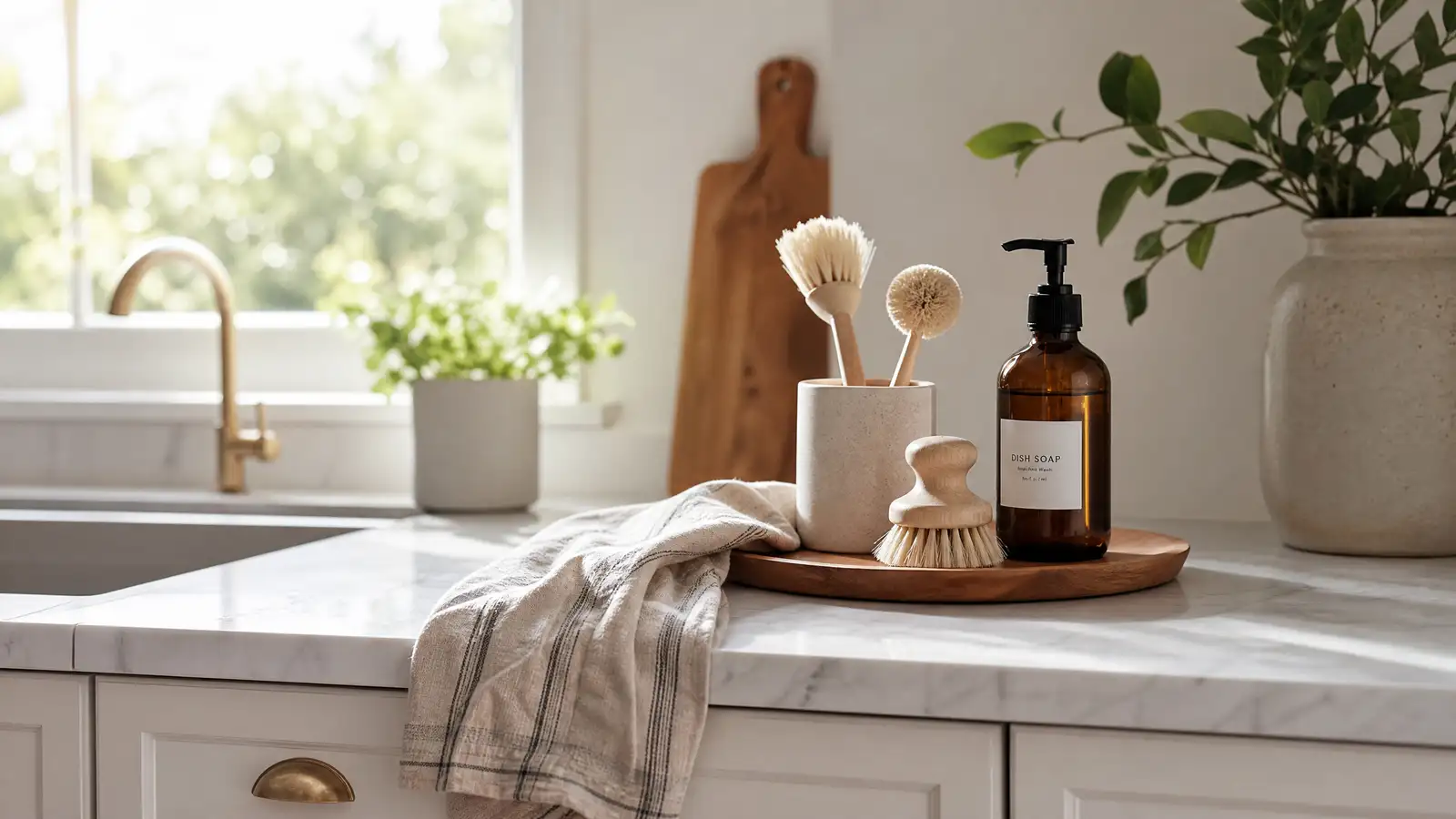
Sink and faucet (5 min). Clean the sink with a baking soda paste if there are stains. Polish the faucet with a microfiber cloth. A clean sink makes the whole kitchen feel fresh.
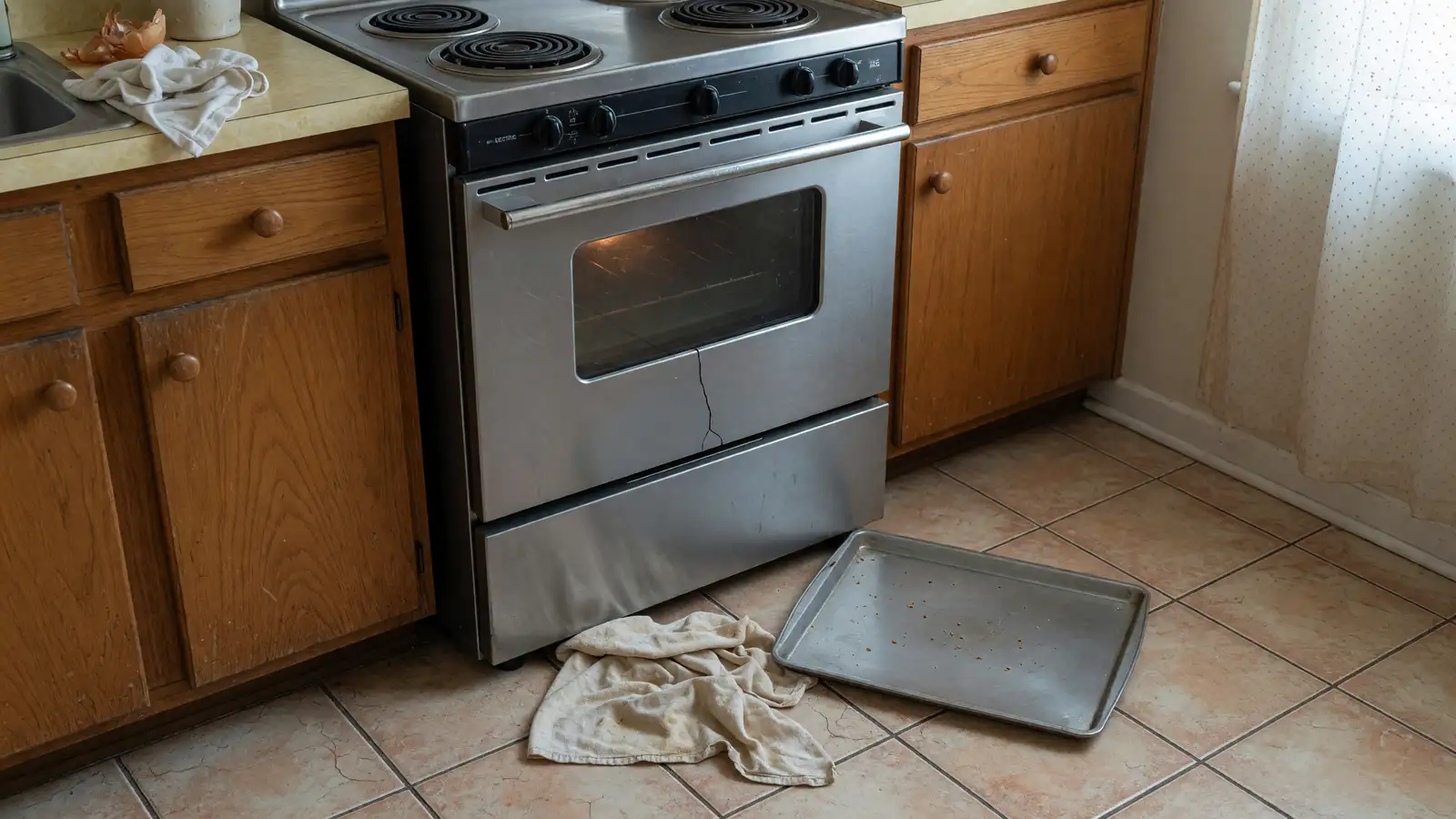
Stovetop and exterior appliances (5 min). Wipe the stovetop, microwave exterior, and refrigerator door. Fingerprints and splatters are the main targets here.
Quick floor sweep (10 min). Sweep or vacuum the kitchen floor. Spot-mop any visible spills. A full mop can wait until your monthly deep clean.
Bathrooms — 30 Minutes
Two bathrooms? Split the time evenly. One bathroom? You will finish early and can move on.
Apply cleaner first (2 min). Spray toilet bowl cleaner and shower/tub cleaner. Let the products sit while you handle other tasks. This is the kind of multitasking that saves time.
Mirrors and surfaces (8 min). Wipe mirrors with glass cleaner. Countertops, faucet, and any shelving get a quick wipe.
Shower and tub (8 min). Scrub the shower walls and tub surface. The cleaner you applied earlier should have loosened most of the buildup by now.
Toilet (5 min). Scrub inside the bowl, wipe the seat and exterior. This takes longer than it should because people skip the quick spray-and-wait step.
Floor (7 min). Quick mop or Swiffer pass. Bathrooms do not need aggressive floor cleaning every week unless you have kids or pets tracking things in.
Living Areas — 30 Minutes
This covers the living room, dining room, and any hallways or entryways.
Dust surfaces (10 min). Work top to bottom — ceiling fans and light fixtures first, then shelves, tables, and electronics. Use a microfiber cloth that traps dust rather than redistributing it.
Declutter and reset (10 min). Return items to their proper places. Fluff cushions, fold throws, straighten magazines. This is the step that makes the biggest visual difference for the least effort.
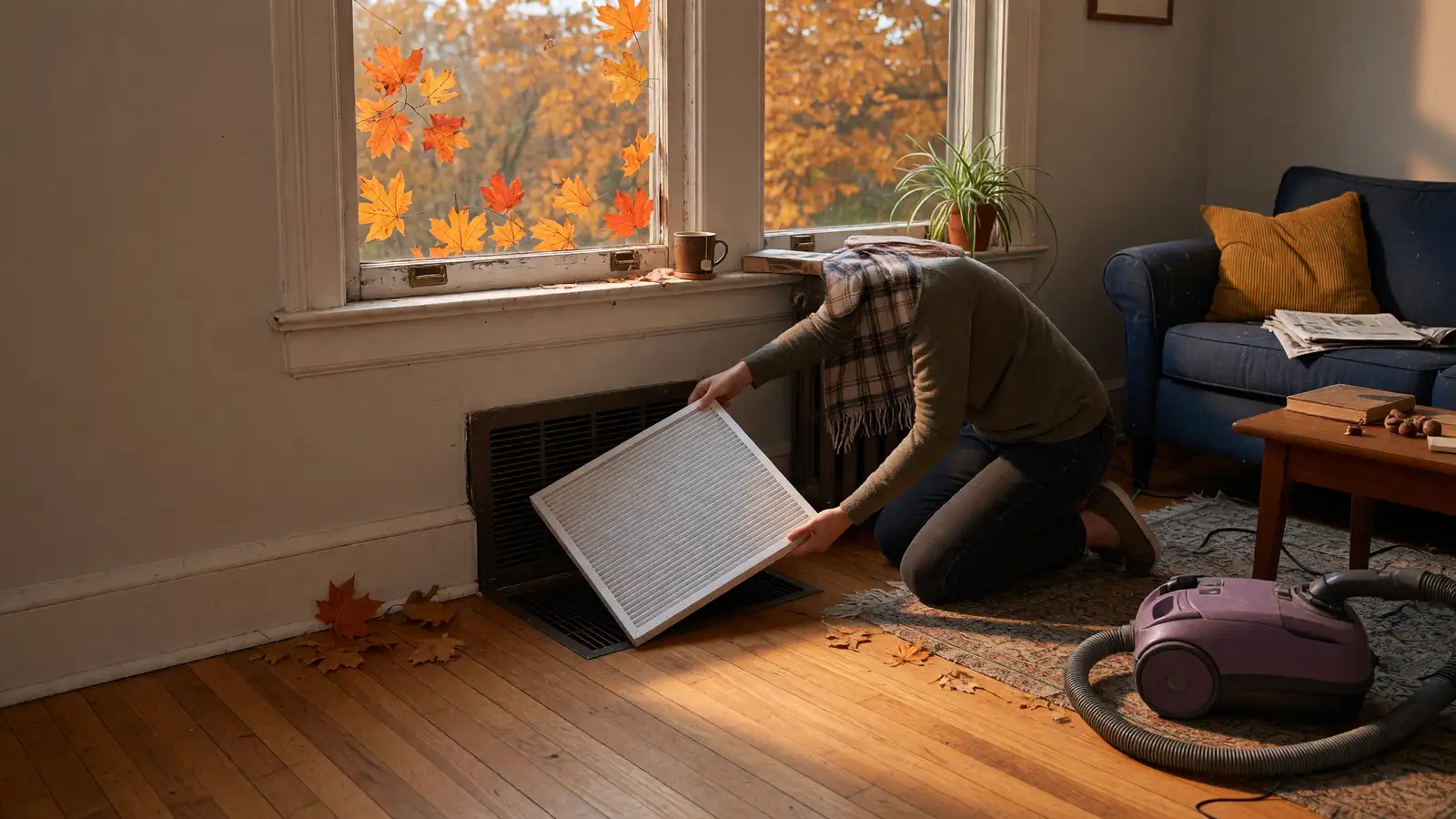
Quick floor pass (10 min). Vacuum or sweep. If you have area rugs, a quick vacuum pass over the main traffic areas is enough. Full rug deep-cleaning is a seasonal task.
Floors Throughout — 30 Minutes
If you have already swept individual rooms, this is a mop pass over hard floors throughout the house.
Start at the furthest room from your exit and work backward. You do not want to trap yourself in a freshly mopped corner.
For carpeted areas, a vacuum pass over high-traffic zones covers it. Full carpet vacuuming can be part of your deep cleaning rotation.
The Weekday Ten-Minute Touch-Up
The weekend reset only works if you pair it with minimal daily maintenance. This is not another cleaning session — it is damage control.
After dinner (5 min). Load the dishwasher, wipe counters, quick sweep of the kitchen floor. This prevents the kitchen from becoming a weekend disaster zone.
Before bed (3 min). Reset the living room. Cushions back in place, blankets folded, whatever was scattered during the evening gets put away.
Morning bathroom refresh (2 min). Quick wipe of the bathroom counter and a swipe of the sink. Takes less time than making coffee.
That is ten minutes. Most of it happens while you are already in the kitchen or heading to bed anyway. The point is not to add tasks to your day — it is to prevent mess from accumulating to the point where it requires hours to fix.
Tools and Supplies You Actually Need
You do not need a closet full of specialized products. Here is the short list:
- All-purpose cleaner — one spray bottle handles counters, appliances, and most surfaces
- Glass cleaner — mirrors and windows
- Bathroom cleaner — something with mild abrasion for soap scum
- Baking soda — for stubborn stains in sinks and tubs
- Microfiber cloths — at least six, color-coded if possible (kitchen, bathroom, general)
- Mop or Swiffer — whatever you prefer for hard floors
- Vacuum — cordless models make the quick passes much less of a chore
- Timer — your phone works. The timer is important because it keeps you honest about time allocation
Adapting for Different Situations
Small apartment (under 600 sq ft). You can probably finish the entire weekend reset in 90 minutes. The bathroom might be the only room that needs the full allocation, and the floors are quick.
Large family home. The two-hour framework still works, but you may need to adjust the living areas time to account for more surface area. Consider recruiting family members — assign one person to kitchen while another handles bathrooms.
With young children or pets. Add five minutes to the bathroom and kitchen allocations. The touch-up routine becomes more important, not less — daily maintenance prevents the buildup that makes deep cleaning feel impossible.
If you travel frequently. Do the full reset when you get home rather than when you left. A house that has sat empty for a week does not need the same level of cleaning as one that has been actively lived in.
Why This Works Better Than Daily Deep Cleaning
Daily deep cleaning sounds ideal until you actually try to sustain it. The problem is not motivation — it is decision fatigue. When you have to decide what to clean every single day, you eventually decide to clean nothing.
The weekend reset removes the decision. Saturday morning, two hours, same routine every week. The daily touch-ups are so small that they barely register as chores.
I have been running this routine for months now. The house is cleaner on a typical Wednesday than it was under my old system, and I spend about four hours less per week on cleaning overall. That is not a marginal improvement — that is getting an entire afternoon back every weekend.
The One Rule That Makes It Stick
Here is the rule: do not let the weekend reset become a project session. If you notice that a cabinet needs reorganizing, write it down and move on. If the baseboards look dusty, note it for deep cleaning day. The two-hour window is for cleaning, not for projects.
Projects are important. But they belong in their own time block, not in the middle of a routine that is supposed to keep the house maintained. Mix the two and the routine expands to fill your entire Saturday, which is exactly what we are trying to avoid.
Set the timer. Work through the zones. When the timer goes off, you are done. That discipline is what makes this sustainable.