The cleaning schedule that works isn’t the one you find on Pinterest with color-coded charts and matching spray bottles. It’s the one you actually do. After talking to dozens of professional organizers and testing different routines in real homes (not showrooms), one pattern kept emerging: the people with consistently tidy homes aren’t cleaning more. They’re cleaning differently.
The 15-minute daily routine below won’t make your house look like a magazine spread. That’s not the goal. The goal is to keep clutter from accumulating so that when you do deep-clean — maybe once a month, maybe once a season — you’re working with a manageable space instead of digging through six months of accumulated chaos.
How It Works
The routine is built around five zones of your home: kitchen, bathroom, living area, bedroom, and entryway. Each day, you spend three minutes in one zone. That’s it. Three minutes. Set a timer. When it rings, you stop — even if you haven’t finished everything.
The timer isn’t a trick. It’s the entire strategy. When you know you only have three minutes, you don’t waste time deciding what to clean. You grab the most visible surface and you clear it. Decision fatigue is the number one reason people skip cleaning routines. This removes the decision entirely.
Monday: Kitchen (3 minutes)
Clear the countertops. Not the cabinets. Not the fridge. The countertops. Wipe them down with whatever cleaning spray you already have. Put away anything that doesn’t belong. Load the dishwasher or rinse the dishes sitting in the sink.
That’s it. Three minutes of counter maintenance prevents the “I can’t even start cooking because the kitchen is a disaster” feeling that derails so many weeknight dinners.
Tuesday: Bathroom (3 minutes)
Wipe the sink. Quick-swipe the mirror. Pick up anything on the floor. Check the trash.
Bathrooms don’t need deep cleaning every day. They need surface maintenance. The grime that makes a bathroom feel gross builds up slowly — toothpaste splatter, water spots, a towel that’s been on the floor for two days. Three minutes a day keeps that accumulation from ever reaching the point where cleaning feels like punishment.
Wednesday: Living Area (3 minutes)
Straighten the cushions. Fold the blanket. Clear the coffee surface. Put away the remote controls and any magazines or mail that drifted in.
Living rooms attract clutter because they’re where life happens. The three-minute rule accepts this reality instead of fighting it. Your living room will look lived-in. It just won’t look chaotic.
Thursday: Bedroom (3 minutes)
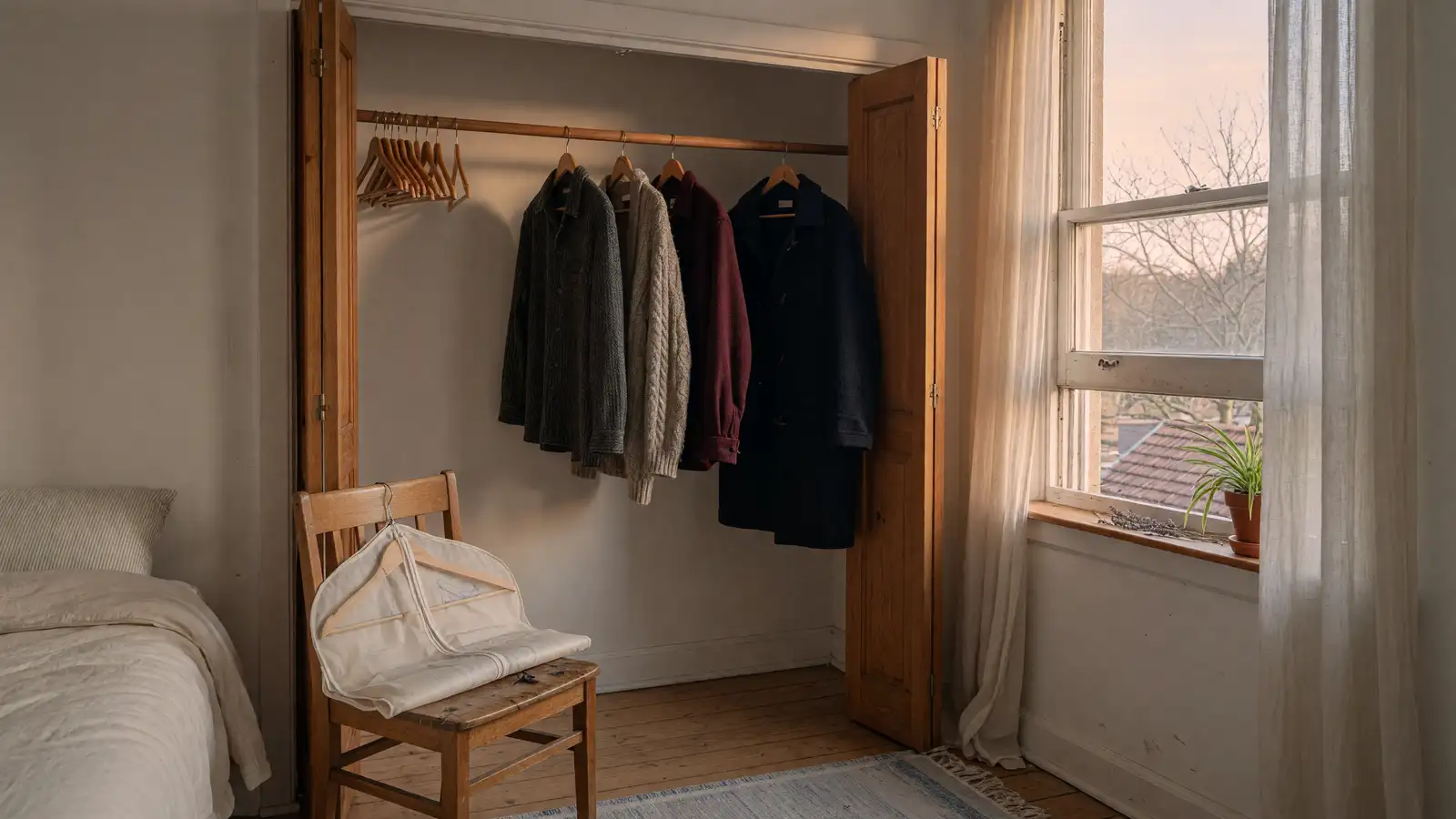
Make the bed. Clear the nightstand. Put away any clothes on the chair (you know the one).
A made bed changes the entire feel of a bedroom in about thirty seconds. The remaining two-and-a-half minutes handle the surface clutter that makes the room feel smaller than it is.
Friday: Entryway (3 minutes)
Hang up the coats. Put away the shoes. Clear the surface by the door of any mail or packages.
Your entryway is the first thing you see when you come home and the last thing you see when you leave. Three minutes here sets the tone for both.
Weekend: Whatever You Missed (3 minutes)
If you skipped a day, this is your catch-up. If you didn’t skip any days, spend three minutes on whichever zone looked the worst this week.
Why This Actually Works
Most cleaning routines fail because they assume you have energy and motivation. You don’t, especially after work. The 15-minute routine (really, five 3-minute sessions spread across the week) works because it asks for almost nothing.
Three minutes is shorter than making coffee. It’s less time than you spend scrolling through your phone when you first sit down. The barrier to entry is so low that skipping it feels like a choice rather than an inevitability.
The other reason it works: it’s preventive, not reactive. You’re not waiting until the bathroom is disgusting to clean it. You’re spending three minutes on Tuesday to make sure it never gets there. That shift — from “cleaning up a mess” to “preventing the mess” — is what separates people who live in organized homes from people who clean their homes every Saturday and wonder why it looks worse by Wednesday.
The One Rule
Don’t add steps. The routine is five zones, three minutes each. If you find yourself thinking “I should also do X while I’m here,” you’re overcomplicating it. Do X on the weekend catch-up day. The whole point of this routine is that it’s sustainable. Sustainable means boring. Boring means you’ll actually do it.