Stainless steel appliances are the standard in modern kitchens for good reason. They are durable, heat-resistant, and undeniably attractive when clean. The problem is that they rarely stay clean for more than a few hours. Fingerprints, water spots, and smudges appear as if by magic, and the wrong cleaning technique can leave the surface looking worse than before.
The secret to cleaning stainless steel is understanding the grain. Every stainless steel surface has a subtle directional pattern, usually horizontal but occasionally vertical. You can feel it by running your fingernail lightly across the surface. Cleaning with the grain produces a streak-free finish. Cleaning against the grain pushes dirt into the microscopic grooves where it becomes visible as streaks.
The Daily Wipe
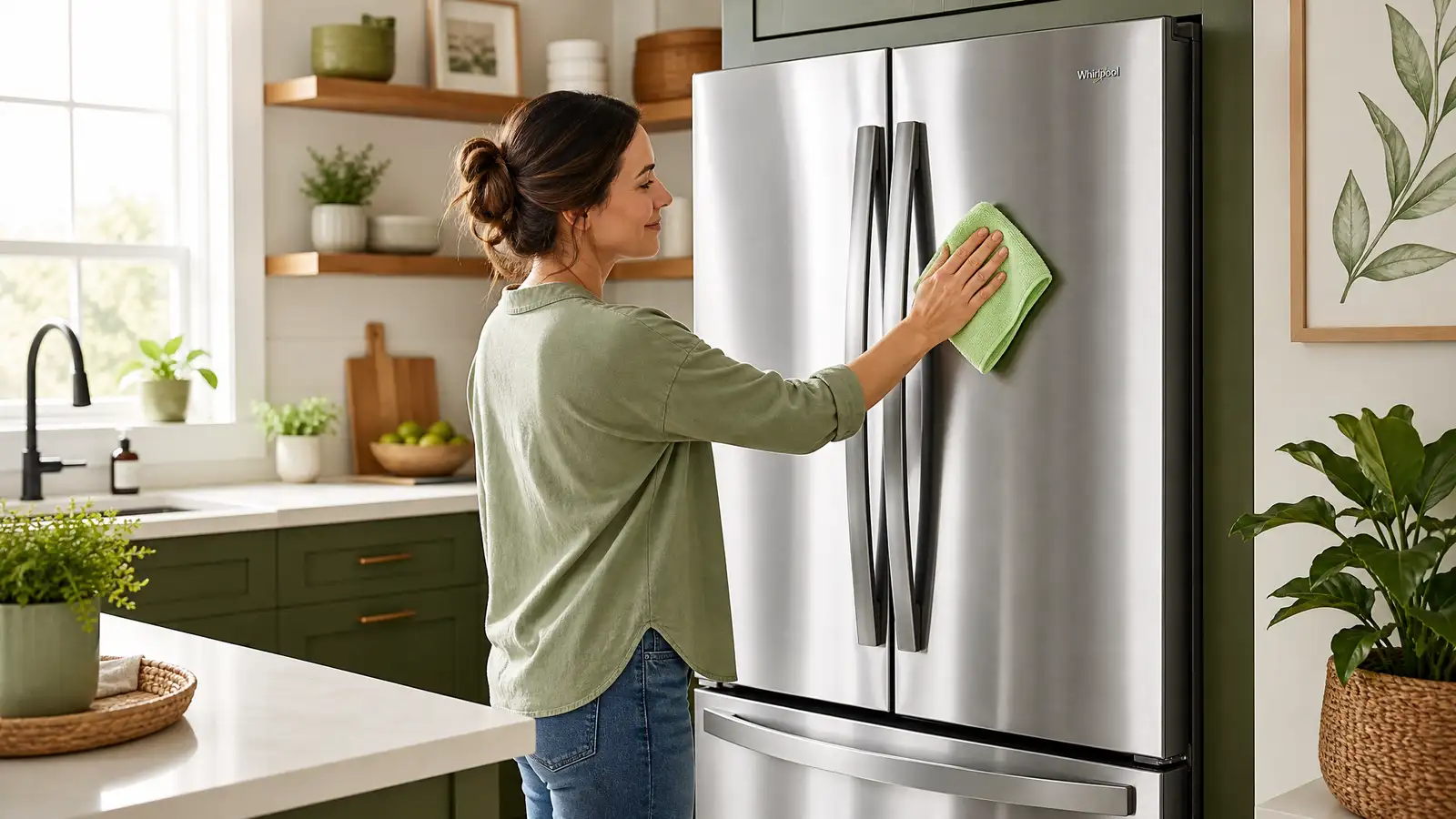
For everyday fingerprints and light smudges, a dry microfiber cloth is the only tool you need. Wipe with the grain using light pressure. The microfiber’s split fibers attract and hold the oils from fingerprints without leaving lint or streaks. A thirty-second wipe after cooking keeps stainless steel looking clean between deeper cleanings.
Avoid paper towels for stainless steel. They leave behind microscopic paper fibers that become visible as a haze on the reflective surface. They can also contain small amounts of abrasive material from the manufacturing process that create fine scratches over time.
The Weekly Clean
Once a week, stainless steel needs a more thorough cleaning to remove the film of cooking oils and airborne grease that a dry cloth cannot handle. A few drops of dish soap in warm water, applied with a microfiber cloth, cuts through the grease without damaging the surface.
Wipe with the grain, then immediately follow with a clean, dry microfiber cloth to remove all moisture. Water left to dry on stainless steel leaves mineral spots that are more visible than the original smudges. The two-step process — wet clean followed by dry buff — is the technique that commercial cleaners use.
The Polishing Secret
For a showroom finish that actually repels fingerprints, a tiny amount of mineral oil or dedicated stainless steel polish applied after cleaning makes a dramatic difference. Apply a few drops to a clean microfiber cloth and buff the entire surface with the grain. The oil fills the microscopic grooves in the steel, creating a smoother surface that fingerprints have more difficulty adhering to.
The key is using minimal product. A few drops of oil for an entire refrigerator door is sufficient. Excess oil leaves a greasy residue that attracts dust and feels unpleasant to touch. Buff until the surface feels dry and smooth, not oily.
Baby oil is chemically identical to mineral oil and works identically for a fraction of the cost of branded stainless steel polish. The fragrance is the only difference, and it dissipates within minutes.
What to Avoid
The internet is full of stainless steel cleaning advice that ranges from ineffective to actively damaging. Avoid abrasive cleaners of any kind, including powdered cleansers and scrubbing pads. They create permanent scratches that dull the finish and provide new grooves for dirt to accumulate.
Avoid chlorine bleach and cleaners containing bleach. Bleach oxidizes stainless steel, causing pitting and rust spots that are irreversible. If a cleaner is safe for stainless steel, it will explicitly say so on the label.
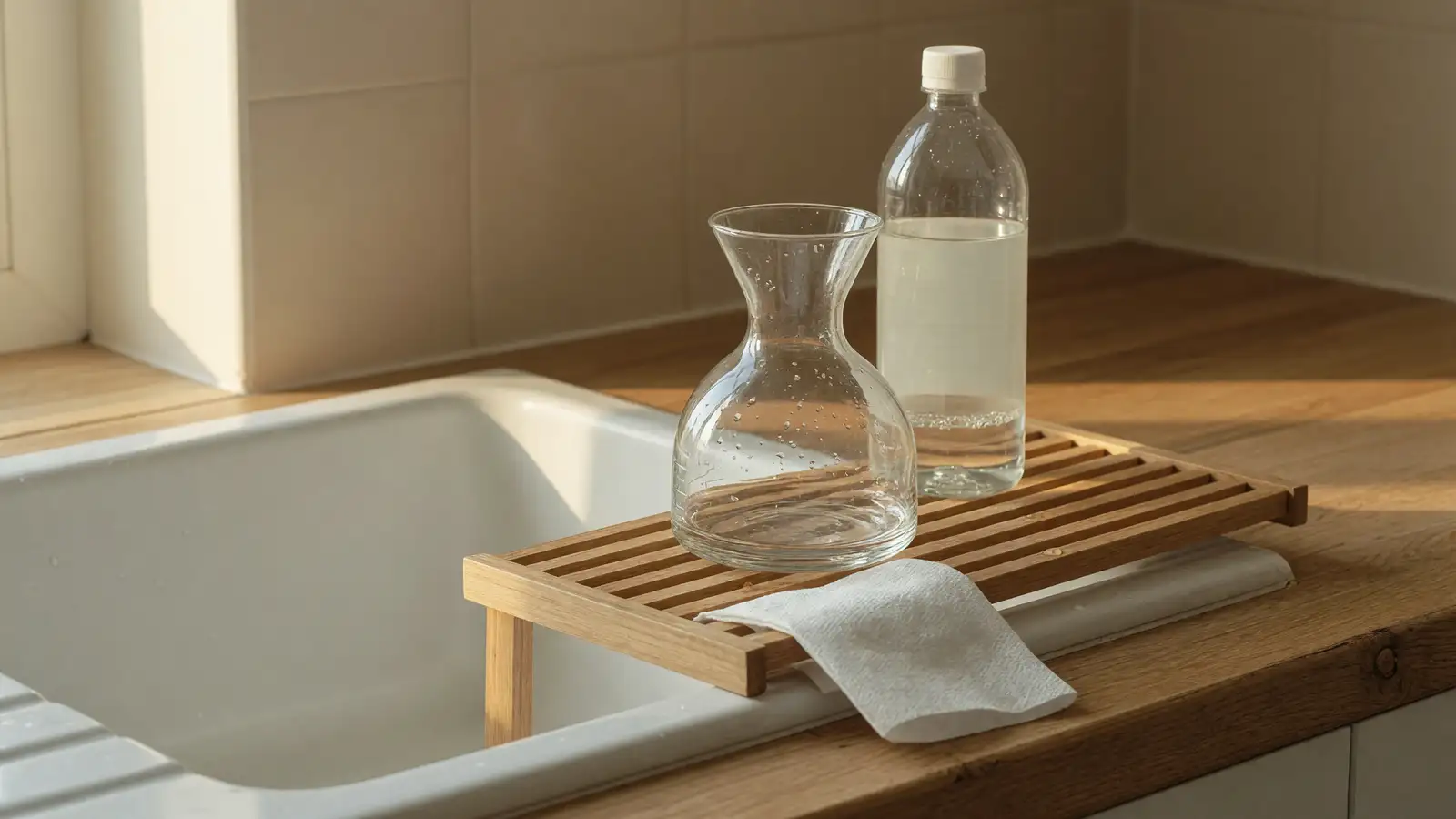
Avoid glass cleaners that contain ammonia. Like bleach, ammonia can damage the protective chromium oxide layer that gives stainless steel its corrosion resistance. White vinegar is a safe, effective alternative for removing hard water spots.
Stainless steel maintenance is simple once you know the grain direction and the right products. A microfiber cloth, a drop of dish soap, and a few drops of mineral oil are all you need. The rest is technique.