The self-cleaning cycle on your oven reaches temperatures exceeding eight hundred degrees Fahrenheit. It incinerates food residue into ash, which sounds efficient — until you consider the energy consumption, the fumes that fill your kitchen, and the strain on your oven’s heating elements that shortens the appliance’s lifespan. Commercial oven cleaners are the alternative, but their active ingredient is typically sodium hydroxide, a caustic chemical that burns skin on contact and produces fumes that require ventilation and protective gloves.
There is a third option. Non-toxic oven cleaning using baking soda, vinegar, and steam requires more patience than chemical methods but produces equally clean results without safety concerns. The trade-off is time, not effectiveness.
The Baking Soda Paste Method
This is the most reliable non-toxic oven cleaning method and the one recommended by professional cleaners who want to avoid chemical exposure on a daily basis. It works through gentle abrasion and alkalinity rather than chemical burning.
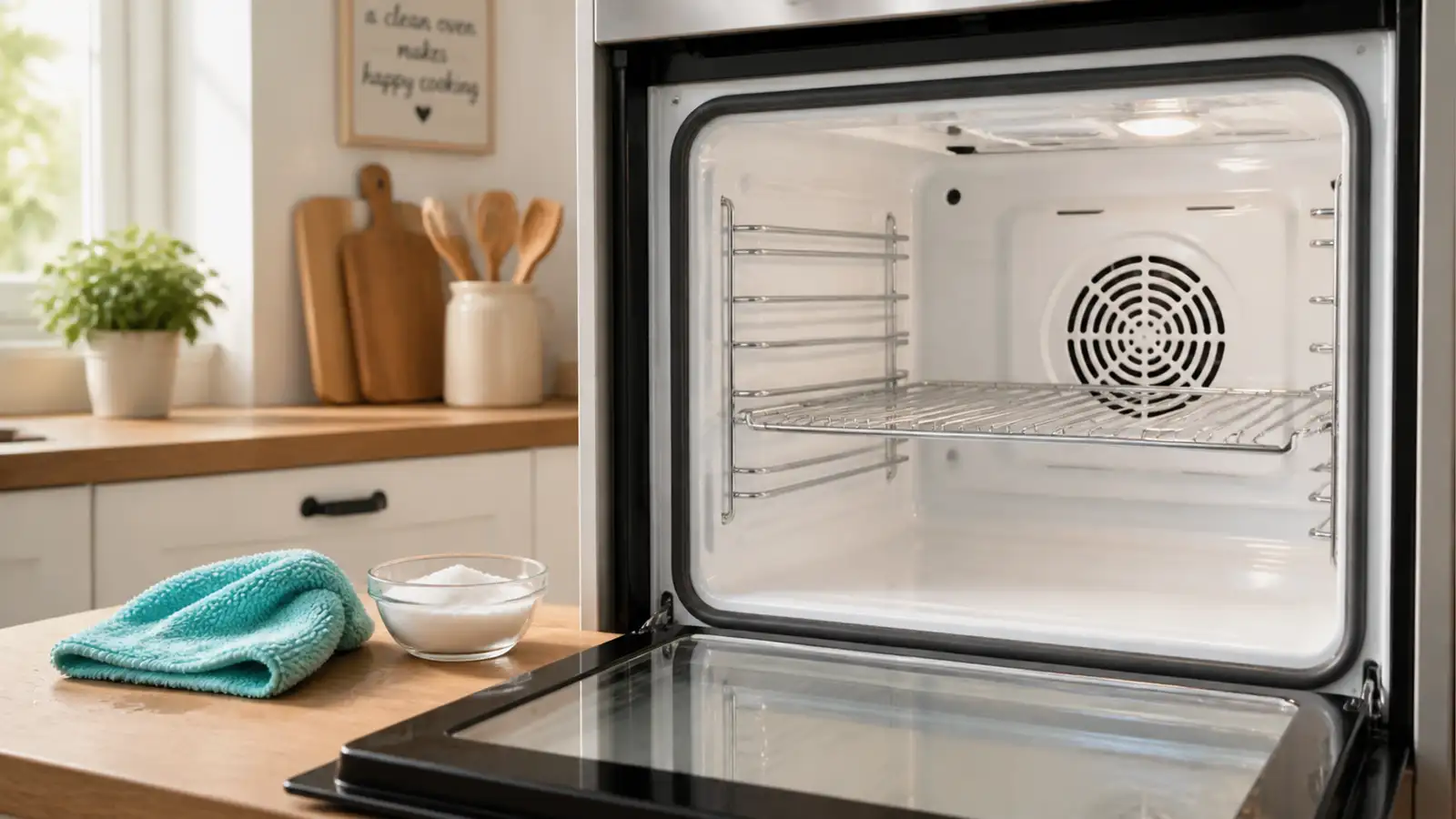
Start with a cool oven. Remove the racks and set them aside. In a bowl, mix a half cup of baking soda with enough water to form a spreadable paste roughly the consistency of pancake batter. Using a sponge or gloved fingers, spread the paste over every interior surface of the oven except the heating elements. Pay extra attention to areas with visible baked-on residue.
Let the paste sit for at least twelve hours. Overnight is ideal. The baking soda is mildly alkaline, which gradually breaks down the polymerized fats that form the hard, dark residue on oven surfaces. This is the same chemical process that commercial oven cleaners accomplish in minutes using much stronger alkaline chemicals. The non-toxic version just takes longer.
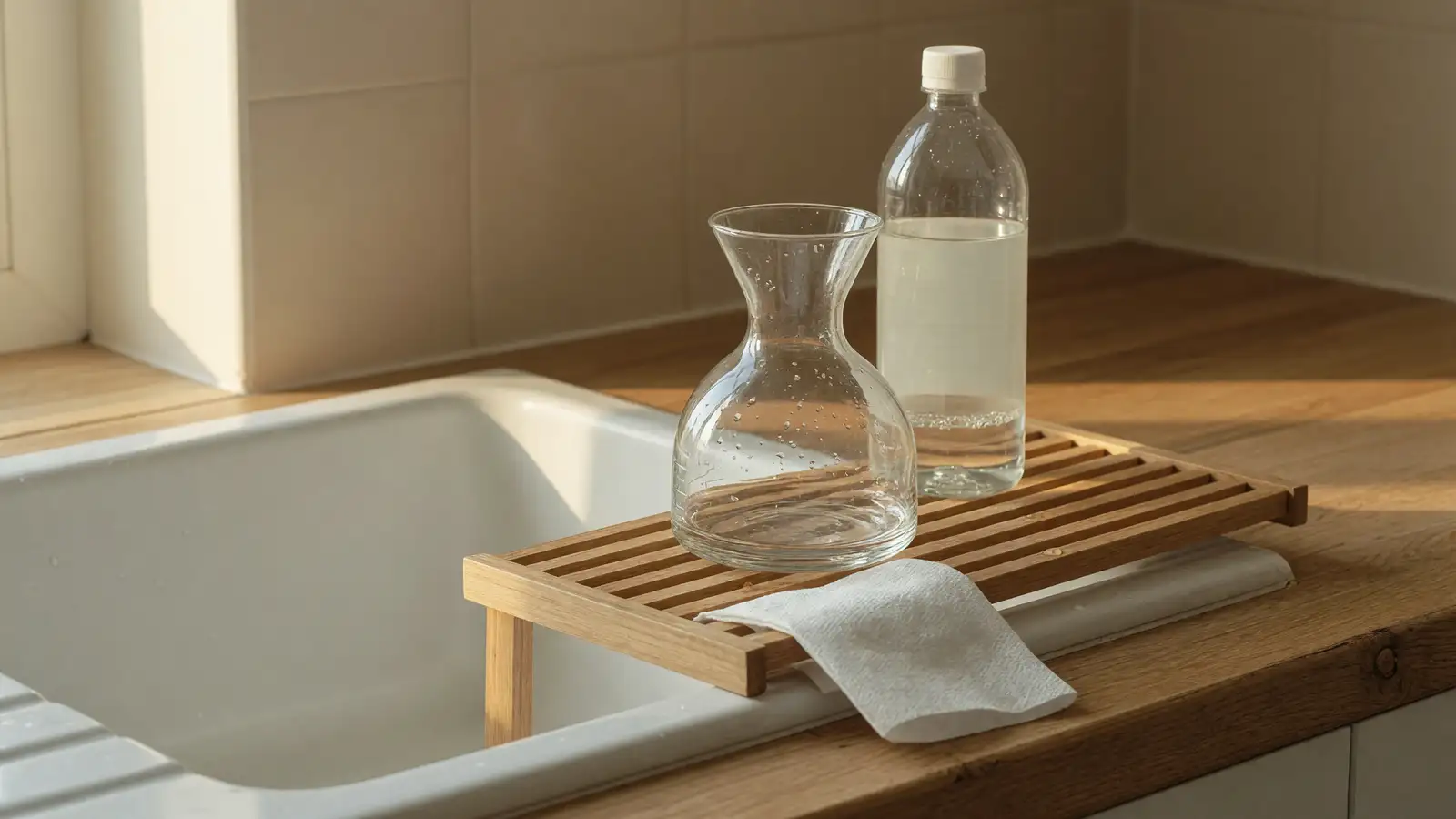
After the dwell time, spray the paste with undiluted white vinegar. The reaction between the alkaline baking soda and acidic vinegar produces carbon dioxide foam that lifts the softened residue from the surface. Wipe everything away with a damp sponge or microfiber cloth. Stubborn spots may require a second application or gentle scraping with a plastic spatula — never metal, which scratches the oven’s interior coating.
Steam Cleaning for Light Maintenance
For ovens that are cleaned regularly and do not have heavy baked-on buildup, steam cleaning is the fastest non-toxic method. Place an oven-safe dish filled with water on the bottom rack. Set the oven to two hundred fifty degrees Fahrenheit for thirty minutes. The steam loosens light grease and food residue, which can then be wiped away with a damp cloth once the oven cools enough to touch safely.
Add a few slices of lemon or a tablespoon of vanilla extract to the water for a natural deodorizing effect. The citrus oils released by the steam cut through light grease while leaving a clean scent.
Rack Cleaning Without Scrubbing
Oven racks are the hardest component to clean because they are awkwardly shaped and covered in baked-on grease. The standard approach of scrubbing with steel wool is exhausting and scratches the rack’s finish. The non-toxic alternative uses a bathtub.
Line the bathtub with old towels to prevent scratching the tub surface. Place the oven racks on the towels and fill the tub with enough hot water to cover them. Add a half cup of dish soap and a quarter cup of baking soda. Let the racks soak for at least four hours, preferably overnight.
The hot water and soap combination rehydrates and loosens the baked-on grease. The baking soda provides gentle abrasive action. After soaking, most residue wipes away with a sponge. For anything that remains, a paste of baking soda and dish soap applied with a non-scratch scrubbing pad finishes the job.
Prevention Through Protection
The most effective oven cleaning method is preventing the mess in the first place. A silicone oven liner placed on the bottom rack catches drips and spills before they bake onto the oven floor. The liner can be removed and washed in the sink or dishwasher. At under fifteen dollars, it eliminates hours of scrubbing over the lifetime of the oven.
For dishes likely to bubble over, place a baking sheet on the rack below to catch drips. The baking sheet is easier to clean than the oven floor and protects against the smoke and odor of burning spills.
The oven is the hardest-working appliance in the kitchen, and it deserves regular maintenance. A quick wipe-down after each use while the oven is still slightly warm prevents the gradual accumulation that eventually requires a full-day cleaning project. Thirty seconds of prevention replaces hours of cure.