The average child in a developed country owns over two hundred toys but plays with fewer than twenty of them regularly. The rest occupy bins, shelves, and floor space, contributing to parental stress, visual chaos, and — counterintuitively — reduced quality of play. The research on toy quantity and play quality is remarkably consistent: fewer toys lead to deeper, more creative, and more focused play.
A landmark study from the University of Toledo gave toddlers either four toys or sixteen toys to play with. The children with four toys played with each toy longer, used them in more creative ways, and showed greater focus. The children with sixteen toys flitted from item to item, never engaging deeply with any single one. The conclusion was clear: toy abundance undermines the very play it is meant to encourage.
Why Fewer Toys Work Better
The mechanism behind the fewer-toys effect is straightforward. When a child has limited options, they explore each option more thoroughly. A single set of blocks becomes a castle, then a spaceship, then a farm. The same blocks in a room full of competing toys become just blocks, quickly abandoned for the next novelty.
This is not deprivation. It is curation. The goal is not to restrict play but to remove the noise that prevents deep play from happening. Think of it as the difference between a library with ten carefully chosen books and a warehouse with ten thousand random ones. In the library, you find something worth reading. In the warehouse, you wander.
The Toy Rotation System
The most practical implementation of toy minimalism is rotation. Keep ten to fifteen toys accessible at any given time. Store the rest in a closet, garage, or under-bed bin. Every two weeks, swap five toys from the active collection with five from storage.
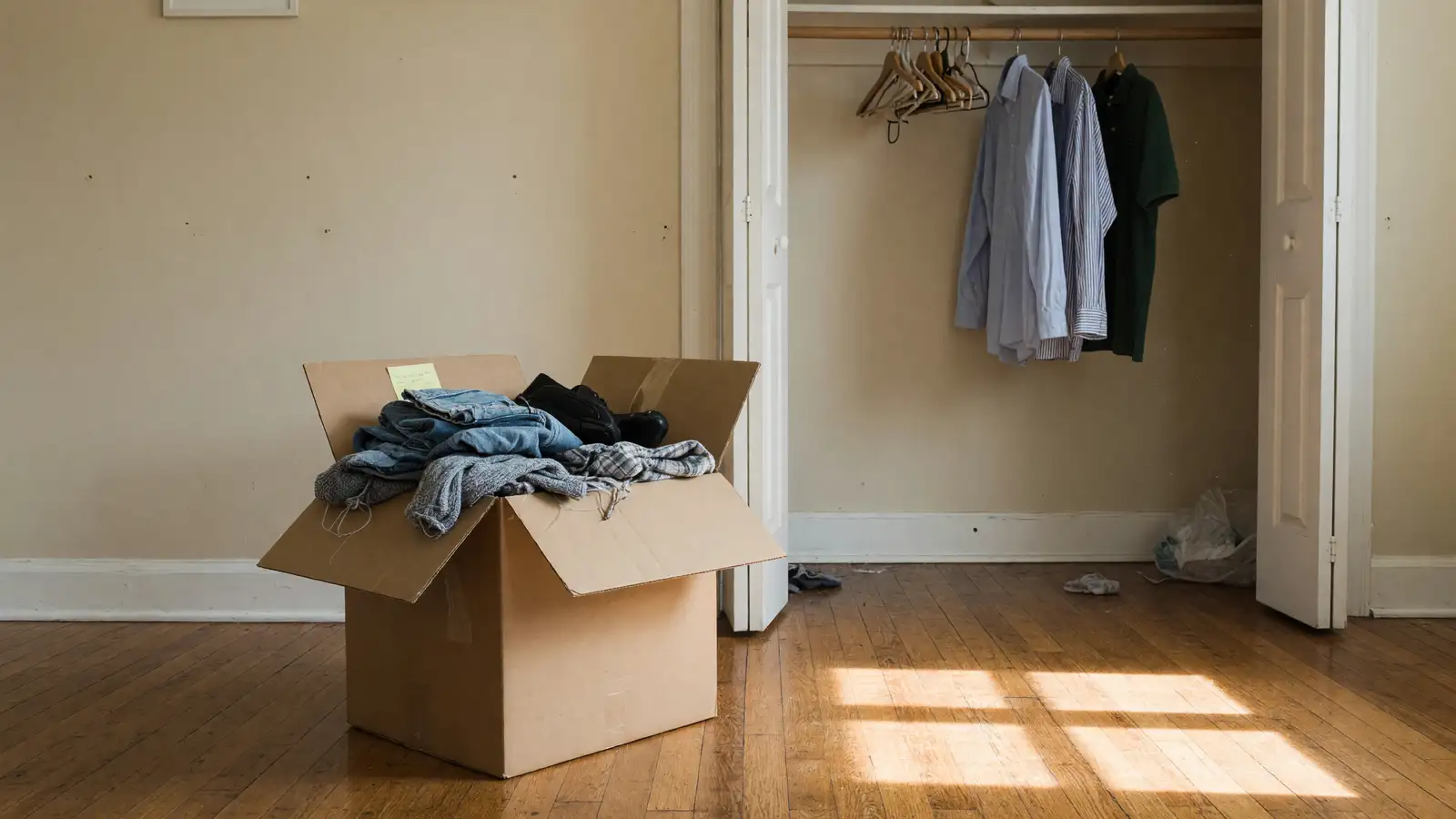
The returning toys feel brand new. Children greet them with the same excitement they would show for a new purchase. The rotation also surfaces toys that have been outgrown and can be donated without drama. If a toy returns from storage and generates no interest, it is ready to leave the house.
The number of toys in rotation depends on age and space. For toddlers, eight to twelve toys is plenty. For elementary-age children, fifteen to twenty, including arts supplies and building sets, covers comprehensive play needs. The limiting factor should be the storage space you have designated, not the number you can accumulate.
Quality Over Quantity
When you commit to owning fewer toys, the standard for what earns a spot in the rotation rises. The best toys are open-ended: blocks, art supplies, dress-up clothes, play silks, and construction sets. These items become whatever the child imagines, growing with them from toddlerhood through elementary school.
Single-purpose toys with lights, sounds, and prescribed ways to play tend to have short lifespans. They entertain passively rather than engaging actively. After the novelty wears off, they take up space until someone finally throws them away. These are the toys to eliminate first.
Books occupy a special category. A well-stocked children’s bookshelf is not clutter. But even books benefit from rotation. Keep twenty to thirty favorites accessible and rotate the rest. Library books fill the gap for variety without adding permanent volume to the home.
Handling the Incoming Tide
The hardest part of toy minimalism is not the initial declutter. It is managing the steady inflow of new toys from grandparents, birthday parties, and holiday gifts. This requires proactive communication with the people who love your children and express that love through gifts.
A simple request framed positively works better than a rule: “She is really into art supplies right now” or “He has been asking for more Magna-Tiles to expand his building set.” Specific suggestions channel generosity toward items that will actually be used and appreciated.
For gifts that arrive unbidden, the one-in-one-out rule applies. When a new toy enters the rotation, an existing toy exits. The outgoing toys can be donated to families who will use them, extending their useful life rather than ending it.
The Unexpected Benefits
Parents who adopt toy minimalism consistently report benefits beyond the obvious reduction in clutter. Children play independently for longer stretches. Siblings fight less over toys because there is less to fight over and more incentive to share. Cleanup at the end of the day takes minutes instead of an hour.
The most profound shift is emotional. When toys are abundant, they become background noise. When toys are curated and intentional, each one matters. A child with ten beloved toys is richer in play than a child with a hundred forgotten ones. The goal is not less. The goal is more of what actually works.