You did not plan to buy it. You did not need it before you saw it. But there it was, perfectly positioned at eye level, at exactly the right price point, and now it is in your shopping bag and will soon be in your home, taking up space you do not have for an item you will use maybe twice. Impulse buying is not a character flaw. It is a predictable response to environments engineered to trigger it.
Retailers have spent decades and billions of dollars perfecting the science of getting you to buy things you did not intend to buy. Mindful consumption is the counter-strategy: a set of habits and mental frameworks that put you back in control of your purchasing decisions.
The Triggers
Understanding what triggers impulse purchases is the first defense. The most common triggers are surprisingly consistent across people and cultures.
Scarcity is the most powerful. Limited time offers, low stock warnings, and exclusive releases create artificial urgency that short-circuits rational evaluation. Your brain perceives a threat of missing out and responds by purchasing before the opportunity disappears. The solution is a mandatory waiting period. For any unplanned purchase over a threshold amount, wait twenty-four hours before buying. The scarcity that felt urgent in the moment almost always dissipates upon reflection.
The dopamine hit of a good deal is real and measurable. Your brain processes getting a discount similarly to winning a small prize. Retailers exploit this by inflating reference prices to make discounts appear larger. The fifty percent off tag feels like a victory, but you are still spending money you would not have spent otherwise on an item you did not need. The reframe is simple: a bargain on something you do not need is not a bargain. It is a waste of money at a discount.
Retail therapy is the emotional purchasing that happens when you are bored, stressed, or sad. The purchase provides a temporary mood boost that fades quickly, leaving you with the item and the original emotion intact. Recognizing the emotional state that triggers your browsing is half the solution. The other half is having a list of zero-cost alternatives: a walk outside, a phone call with a friend, a chapter of a book, a workout.
The Pre-Purchase Questions
Before any non-essential purchase, run through three questions. They take ten seconds and prevent the majority of regrettable buys.
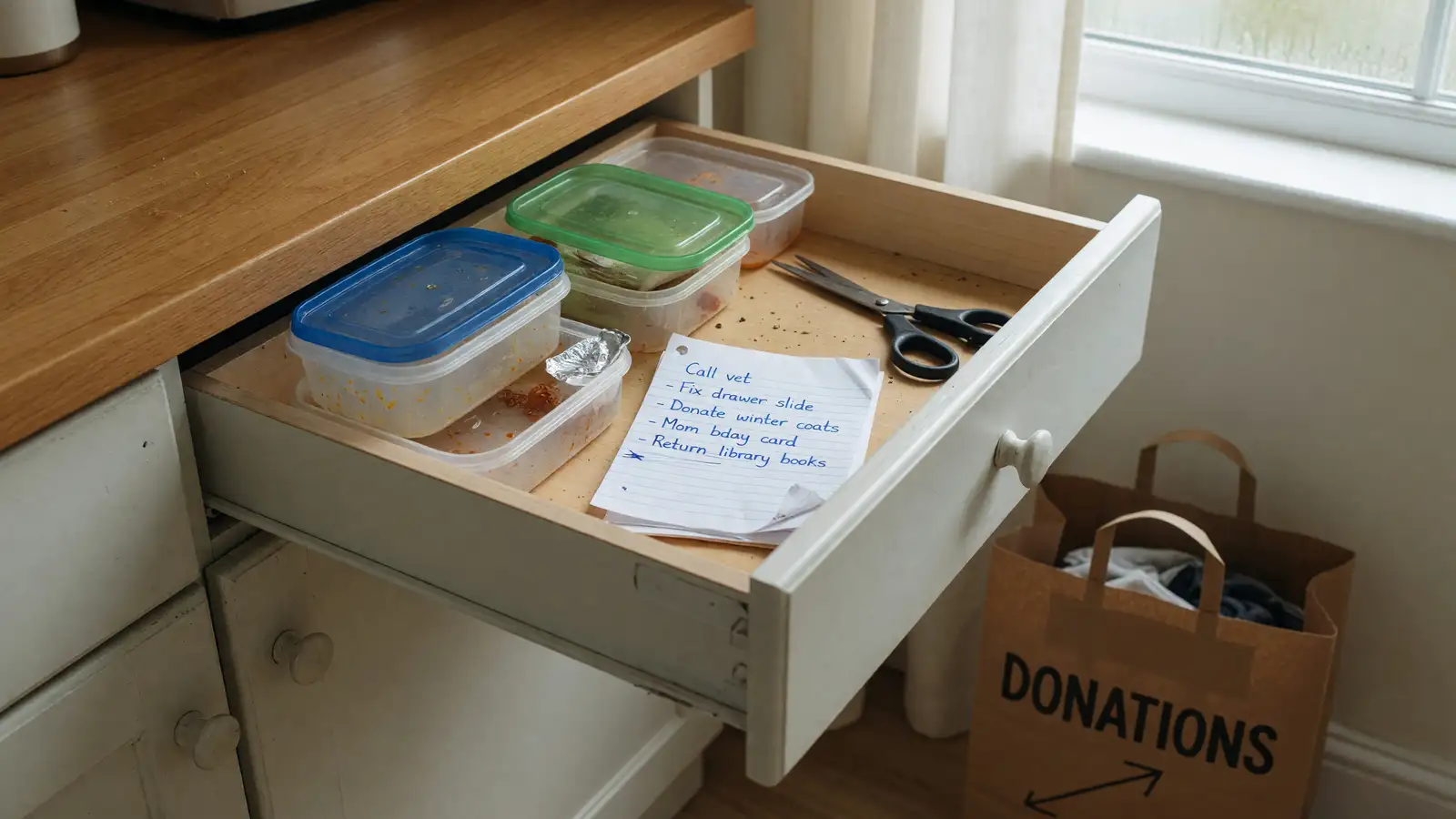
Where will this live? If you cannot name the exact drawer, shelf, or surface where the item will reside, it does not have a home in your home. Items without designated homes become clutter by default, migrating from surface to surface until they are eventually discarded or donated.
When will I use this? Be specific. Not someday or eventually. A concrete scenario with an approximate date. If you cannot articulate when you will use it, you probably will not.
What would I do if I did not buy this? Often the answer is nothing. The problem you are solving with the purchase only exists because the purchase was presented as a solution. Acknowledging that not buying changes nothing is liberating.
The One-In-One-Out Enforcement
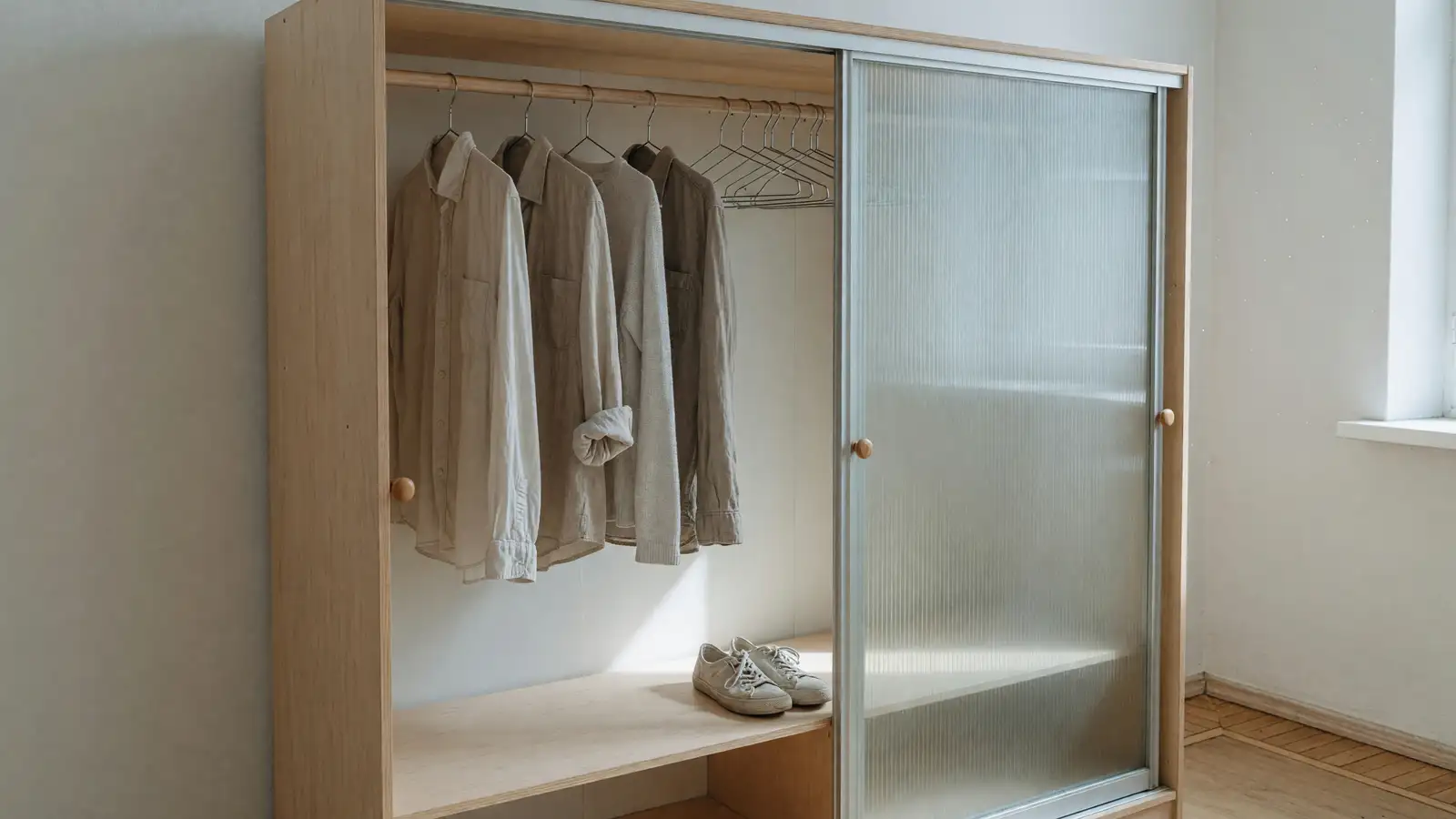
For categories of items where you already own enough, the one-in-one-out rule adds a cost to acquisition that pure willpower cannot match. A new shirt means an old shirt leaves. A new kitchen gadget means an existing one gets donated. The rule forces you to confront the reality that you are replacing rather than adding, and often the existing item is perfectly adequate.
This rule is most powerful for categories where acquisition is habitual rather than need-driven: clothing, books, decorative objects, tech accessories. The friction of deciding what to remove often prevents the purchase entirely.
Mindful consumption is not about never buying anything. It is about buying only what you will genuinely use and appreciate. The difference between an impulse purchase and an intentional one is not the item. It is the thought that preceded it.