January gets all the credit for fresh starts, but July is the better month for a cleaning reset. The holiday chaos is a distant memory. The days are long, which means more natural light to see what actually needs cleaning. And if you have kids, they’re probably at camp or occupied enough that you can tackle a closet without a small person “helping” by pulling everything back out.
More importantly, your January cleaning routine — the one you set up with bullet journals and color-coded schedules — has almost certainly fallen apart by now. That’s not a personal failure. Routines drift. July is the checkpoint where you notice the drift and correct it before the holiday season makes everything ten times harder.
Step 1: The 60-Minute Closet Purge
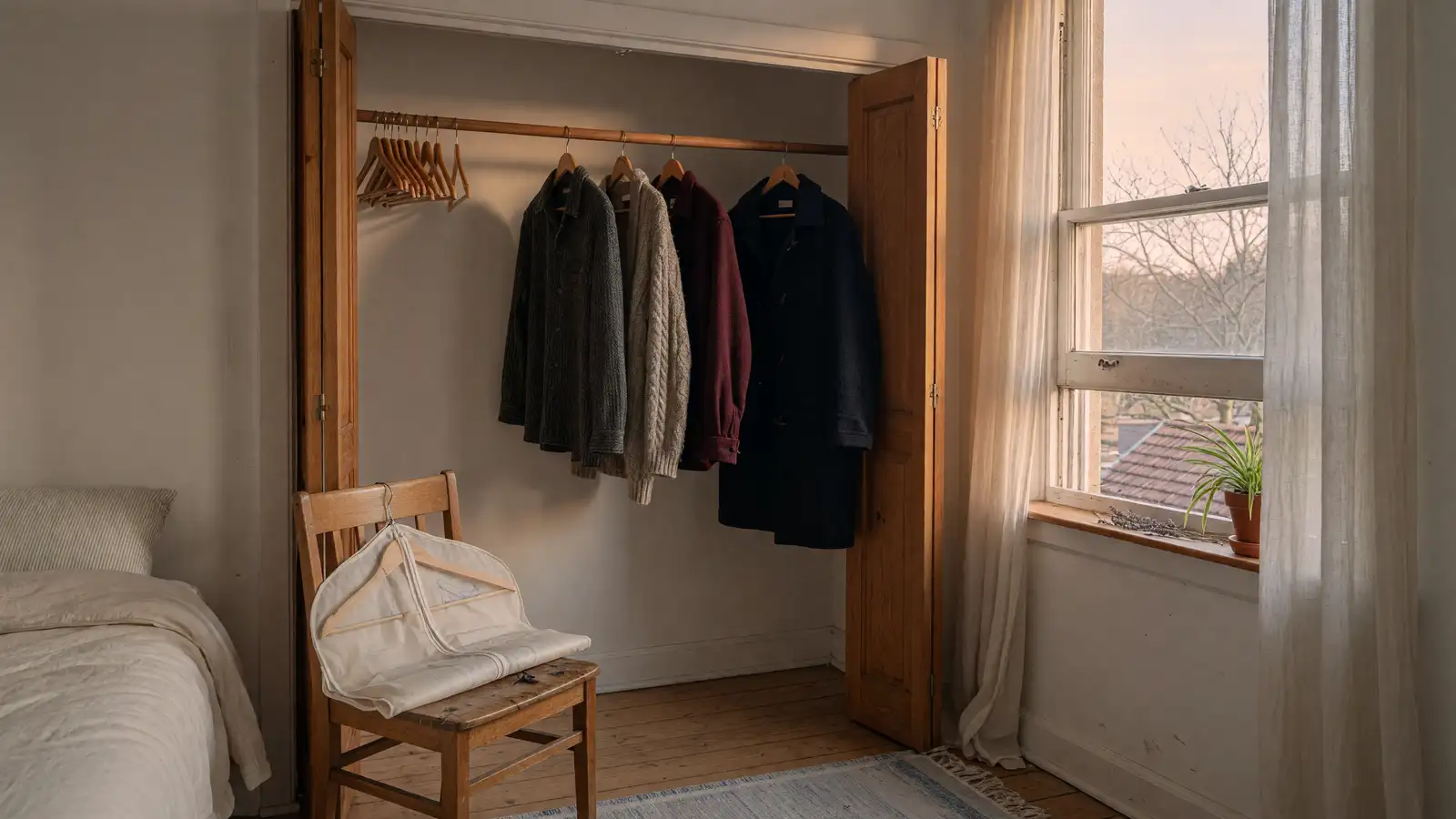
Pick one closet. Any closet. Set a timer for 60 minutes and pull everything out. You’re looking for three categories:
- Haven’t worn it since last summer. Donate it. If it didn’t make the cut during the hottest months, it’s not going to suddenly become your favorite piece.
- Doesn’t fit right now. Box it up and label it. If your weight fluctuates seasonally, keep a “summer size” and “winter size” bin. Everything else goes.
- You forgot you owned it. This is the easiest category. If you opened the closet door yesterday and didn’t remember that shirt existed, you don’t need it.
The 60-minute limit matters. Decluttering is mentally draining — decision fatigue sets in fast. One hour, one closet, then stop. Do another closet next weekend. The goal is progress, not a single-day transformation that burns you out and leaves piles of unsorted stuff on your bedroom floor for three weeks.
Step 2: The Summer-Specific Deep Clean
Some cleaning tasks only make sense in summer. The warm weather opens options that winter closes off:
Wash windows inside and out. You can actually do the exterior side without freezing. Use a bucket of warm water with a few drops of dish soap, a squeegee, and microfiber cloths. Do one room per evening after the sun goes down so the glass doesn’t dry too fast and leave streaks.
Deep-clean ceiling fans and air conditioning vents. These have been running constantly and are coated in dust you don’t want circulating through your house. Turn off the fan, lay a drop cloth underneath, and use a pillowcase method: slide the pillowcase over each blade and wipe inward so the dust falls into the case instead of your floor.
Wash all bedding, including pillows. Summer means more sweat, more skin cells, more allergens. Most pillows can go in the washing machine — check the tag. Run them on a hot cycle with an extra rinse. Dry thoroughly with tennis balls to keep the filling from clumping.
Clean the refrigerator coils and defrost the freezer. Your fridge works harder in summer. Pull it away from the wall, vacuum the coils with a brush attachment, and check the door seals with the dollar bill test: close a bill in the door and try to pull it out. If it slides out easily, the seal needs replacing.
Step 3: Build a Routine That Actually Survives
The problem with most cleaning schedules is they’re too ambitious. A daily checklist with fifteen items works for about four days before you start ignoring it. The Clean Mama method — which has a devoted following for good reason — breaks cleaning into one small daily task and one weekly focus area. Monday is bathrooms. Tuesday is dusting. Wednesday is vacuuming. You get the idea.
The daily tasks are microscopic: make the bed, check floors, wipe counters, do one load of laundry start to finish. That’s it. The weekly tasks are the substantive cleaning — but you only do one per day.
What makes this work isn’t the specific task list. It’s the permission to not do everything every day. You don’t need to vacuum if it’s not vacuum day. You don’t need to scrub the shower if it’s not bathroom day. The mental load of deciding what to clean is eliminated, and that’s the part that usually sinks a routine.
Step 4: Declutter the Decluttering Tools
While you’re at it, audit your cleaning supplies. If you have fourteen different spray bottles under the kitchen sink and you use three of them, get rid of the other eleven. Multi-purpose cleaners have gotten good enough that you don’t need a specialized product for every surface. Keep a general cleaner, a glass cleaner, a disinfectant, and a scrub. Everything else is clutter that makes cleaning feel more complicated than it is.
The Mid-Year Mindset
July is the quiet month. The month where nothing is due, no one is visiting, and the pressure is off. Use that space to reset your home before fall brings its own chaos. One closet, one deep-clean task, one simple daily routine. By August, your house will feel different — and you won’t have to spend December panic-cleaning before guests arrive.