Summer leaves a specific kind of mess behind. Sand tracked in from the pool, sunscreen stains on bathroom counters, toys scattered across every room, and a kitchen that’s been running on popsicles and snacks for three months. When August rolls around and school schedules start pressing in, most parents realize their house needs more than a quick tidy. It needs a proper reset.
Back-to-school cleaning isn’t just about making things look nice. It’s about setting up your home so the morning rush doesn’t turn into chaos. A clean entryway means no hunting for shoes at 7:45. An organized kitchen means breakfast actually happens on time. A bathroom that’s stocked and functional means one less thing to deal with before the bus arrives.
Here’s a room-by-room guide to tackling the reset before school starts, based on what professional organizers recommend and what actually holds up once the routine kicks in.
Entryway: where the morning chaos lives or dies
The entryway is the first thing you see when you leave and the last thing you walk through when you come home. In most houses with kids, it’s also the biggest disaster zone. Shoes pile up, backpacks land wherever, jackets get draped over anything horizontal, and mail accumulates on every surface.
Start by clearing everything out. Pull every shoe, bag, and jacket off the floor and sort them into three piles: keep here, put away, and donate. Most families have shoes from three seasons ago still sitting by the door. Get rid of what your kids have outgrown, and move seasonal items like rain boots or sandals to a less accessible spot if they won’t be used daily.
Next, set up a system that works with how your family actually behaves. If your kids drop their bags the second they walk in, install hooks at their height, not yours. Add a shoe rack or a simple bin system where each kid has a designated spot. Some families swear by a “launch pad” — a small shelf or cubby near the door where everything gets placed: lunchbox, keys, permission slips, whatever needs to go out the next morning.
A small bench or stool near the door helps too. Kids are more likely to put shoes away if they have somewhere to sit while doing it. One with storage underneath can hold gloves and hats once fall arrives.
The goal is to make the morning exit automatic. When everything has a spot, nobody wastes time asking “where’s my backpack?” while the bus idles outside.
Kitchen: prep for school-year meals
Summer kitchens run differently than school-year kitchens. There’s more snacking, more casual meals, more “let’s just order something.” When school starts, you’re back to packed lunches, quick breakfasts, and weeknight dinners that need to happen between homework and bedtime.
Deep clean the refrigerator first. Pull everything out, toss expired items, and wipe down shelves. Organize by zone: breakfast items together, lunch-packing supplies together, dinner ingredients together. Most people store food by type rather than by when they use it. Grouping by meal makes the morning rush faster because you’re not digging through the fridge for cream cheese while the kettle boils.
Clean the microwave, oven, and stovetop. Summer cooking tends to leave grease splatters and crumbs that build up gradually. A clean kitchen works better and feels less stressful to cook in. Run the dishwasher empty with a cup of vinegar on the top rack to clean the interior, and wipe down cabinet fronts where sticky fingerprints accumulate.
Then set up a lunch-packing station. Designate one shelf or counter section for lunch containers, bags, napkins, and snacks. Having everything in one spot means packing lunch takes five minutes instead of twenty. Some families pre-pack snacks on Sunday so kids can grab them during the week without asking. Stock a small basket with individually portioned items: granola bars, fruit cups, cheese sticks, crackers. When everything is ready to grab, the morning moves faster.
Also consider a breakfast station. A small area with cereal, bowls, and spoons lets older kids handle their own breakfast while you deal with younger siblings or packing lunches. Independence in the morning is a gift for everyone involved.
Bathrooms: streamline the morning routine
Bathrooms get hit hard during summer. More showers mean more soap scum, more product bottles on the counter, and more towels on the floor. Before school starts, do a full clean and reset.
Scrub the shower and tub, wipe down mirrors, clean the toilet, and mop the floor. Replace any worn towels. Then simplify the countertop. Most bathrooms accumulate products nobody actually uses. Pull everything off the counter, check expiration dates, and keep only what gets used daily. Old shampoo bottles, half-used lotions, and mystery products from gift sets can go.
Set up a simple morning system. If your kids share a bathroom, assign each child a caddy or shelf section for their toothbrush, toothpaste, and other essentials. This eliminates the “someone moved my stuff” argument and keeps the morning moving. Color-coded caddies work well for younger kids who might otherwise grab the wrong one.
For families with younger kids, consider a step stool and a visual routine chart on the wall. The chart can show the sequence: toilet, brush teeth, wash face, get dressed. It sounds basic, but it reduces the number of times you have to stand in the hallway repeating instructions. A laminated card with pictures works well for kids who can’t read yet.
Check that towels are within reach, soap dispensers are full, and there are enough clean towels for the week. Having these details handled means no one is scrambling for a towel or discovering the soap ran out mid-week.
Bedrooms: organize for school mornings
Bedrooms during summer tend to drift toward chaos. Bedding gets messy, clothes accumulate on chairs and floors, and desk surfaces disappear under clutter. Before school, each kid’s bedroom needs a reset focused on making mornings easier.
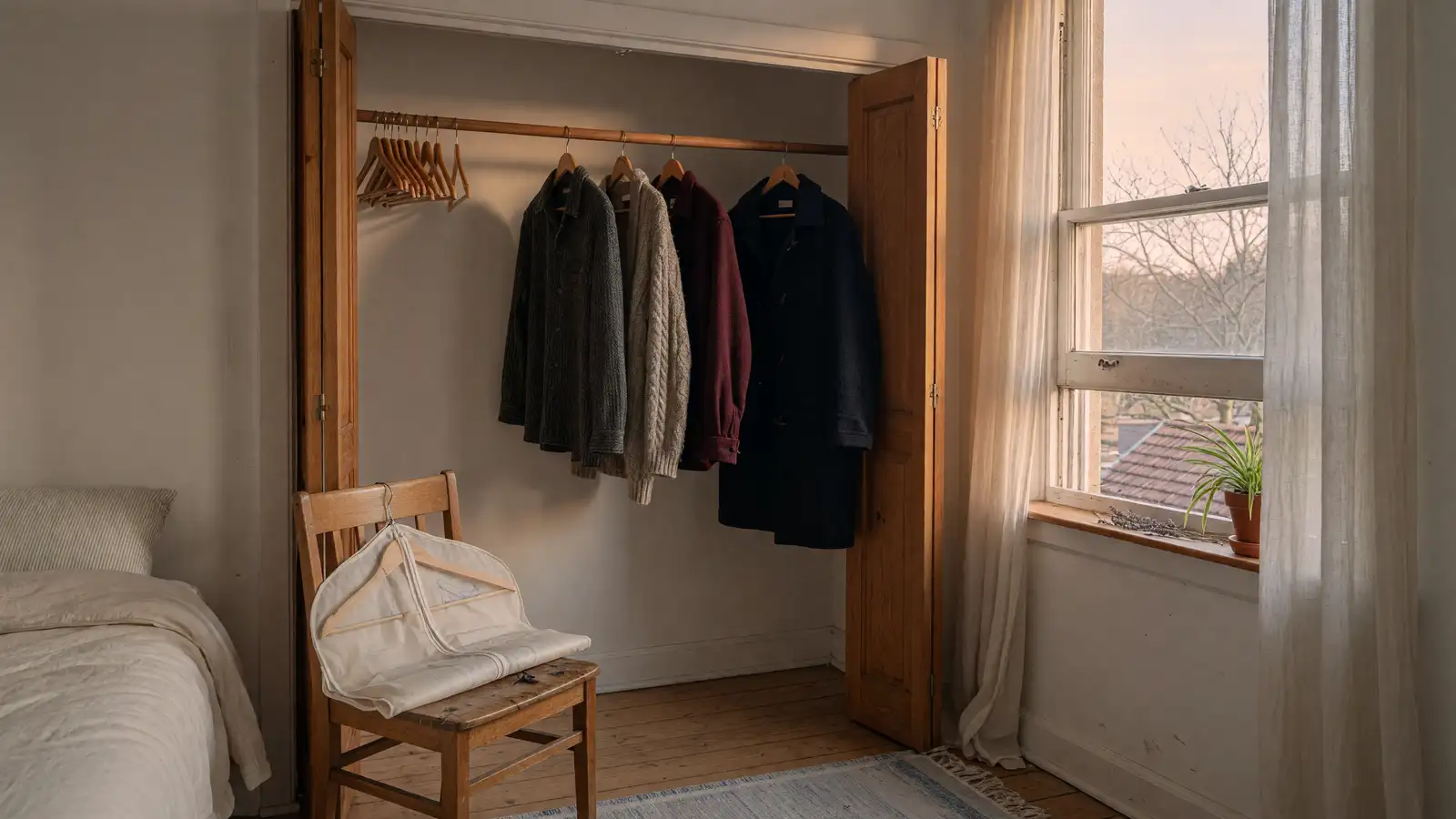
Start with the closet. Remove clothes that don’t fit or haven’t been worn in months. Organize what’s left by category: school clothes, play clothes, pajamas. Some families lay out outfits for the week on Sunday night, which eliminates the morning “I have nothing to wear” crisis. Even just hanging the next day’s outfit on a door hook can save ten minutes in the morning.
Clear the desk or homework area. School requires a functional workspace, and a cluttered desk makes homework feel harder than it is. Remove anything that doesn’t belong — toys, old papers, random items that migrated from other rooms. Add basic supplies: pencils, paper, a calculator, a charger if needed. A desk lamp that provides adequate light also helps. Poor lighting makes homework take longer and causes eye strain.
Make the bed part of the morning routine. A made bed takes two minutes and immediately makes the room look put together. It also sets a tone: the day starts with a completed task.
A small trash can and a laundry hamper in each bedroom helps kids keep things off the floor. When they have a place to put trash and dirty clothes, rooms stay cleaner without constant reminders.
Laundry room: prepare for heavier loads
School year laundry hits different. Sports uniforms, school clothes, art supplies that stain — the volume jumps. Before school starts, get the laundry room organized and ready.
Clean the washing machine and dryer. Run an empty hot cycle in the washer with white vinegar to remove buildup. Clean the dryer lint trap and vent. A clean machine works better and dries clothes faster, which matters when you’re trying to get uniforms ready overnight. Check that the drain hose isn’t kinked and that the machine is level.
Set up a system for dirty clothes. Each kid should have a hamper in their room or a designated spot in the laundry room. Sorting by person before washing saves time. Some families use color-coded bags: one for whites, one for colors, one for uniforms that need special care.
Stock up on basics. Check that you have enough detergent, stain remover, and dryer sheets to last the first few weeks. Running out of detergent on a Tuesday night when uniforms need to be ready for Wednesday is a preventable problem. Keep a stain-treating pen or spray near the laundry area for immediate treatment of grass stains, food spills, and art supply accidents.
Set up a folding station or a designated spot for clean laundry. Clothes that come out of the dryer need to go somewhere, and “the couch” doesn’t count. A simple shelf or counter where you can fold and sort by person makes the process faster and keeps clean clothes from getting mixed up.
Living areas: remove summer clutter
Summer toys, pool gear, and outdoor equipment tend to migrate inside as the season winds down. The living room, family room, and play areas need a sweep.
Gather all outdoor toys and store them properly. Pool noodles, inflatable items, and sand toys should be cleaned, dried, and packed away. Bikes and scooters need a spot in the garage or shed that doesn’t block access to everything else. A simple wall-mounted hook system for bikes frees up floor space and keeps the garage functional.
Declutter the living room. Remove anything that doesn’t belong — school papers from last year, broken toys, random items that accumulated over summer. Vacuum upholstery, especially if kids have been eating on the couch. Spot-clean stains on carpet and furniture using appropriate cleaners for the fabric type.
Establish a homework and reading area in the living space if kids use it. A designated corner with a lamp and a small table can work better than forcing everyone into their bedrooms. Some kids focus better in shared spaces where they can ask questions or get help without leaving the room. A bookshelf with a mix of school-related books and casual reading material makes the space feel inviting.
Setting up the weekly cleaning routine
Cleaning the house once doesn’t solve anything if the routine doesn’t hold. Before school starts, establish a simple weekly cleaning schedule that everyone in the family can follow.
Monday: wipe down kitchen counters and load the dishwasher. Tuesday: vacuum high-traffic areas. Wednesday: clean bathrooms. Thursday: laundry catch-up day. Friday: tidy bedrooms and clear the entryway.
This doesn’t need to be complicated. The point is consistency, not perfection. A fifteen-minute daily reset — wiping counters, putting things away, clearing the entryway — keeps the house from sliding back into chaos between deeper cleaning sessions.
Kids should have age-appropriate chores. Younger kids can make their beds, put away toys, and carry their plates to the sink. Older kids can vacuum, clean bathrooms, and manage their own laundry. Assigning responsibility early teaches skills and reduces the load on parents. A chore chart or a simple list on the fridge makes expectations clear without constant nagging.
Weekend deep cleans work better than trying to do everything during the week. Pick one major task for Saturday morning — cleaning the garage, washing windows, organizing a closet — and let the rest of the weekend stay flexible. Trying to deep clean every day leads to burnout and resentment.
The first week: build the habits
The first week of school is when routines either stick or fall apart. During that week, focus on reinforcing the systems you set up. Remind kids where things go. Follow through on the cleaning schedule. Spend five minutes each evening doing a quick reset — putting things back where they belong, wiping surfaces, clearing the entryway.
It takes about three weeks for a new habit to feel automatic. The first week is the hardest because everyone is adjusting. By week two, the systems start working on their own. By week three, the house basically runs itself as long as you maintain the basics.
The back-to-school cleaning reset isn’t a one-time event. It’s the foundation for a cleaner, calmer home through the school year. Start with the areas that cause the most stress — usually the entryway, kitchen, and bathrooms — and build from there. A clean home doesn’t mean a perfect home. It means a home that works for your family, even on the busiest mornings.