If you’ve ever tried to declutter an entire room in a single weekend, you know exactly why most people give up. The sheer volume of decisions — keep, donate, trash, maybe later — becomes exhausting by hour three. By Sunday evening, the room is messier than when you started, and everything goes back into the closet.
The 30-day minimalism challenge works differently. Instead of tackling everything at once, you focus on one small, manageable area per day. Some days take five minutes. Others take thirty. None of them require a dumpster rental or a meltdown.
How the Challenge Works
The rule is simple: each day, you pick one zone and apply three decisions to everything in it:
- Keep it — it serves a purpose and you’ve used it recently
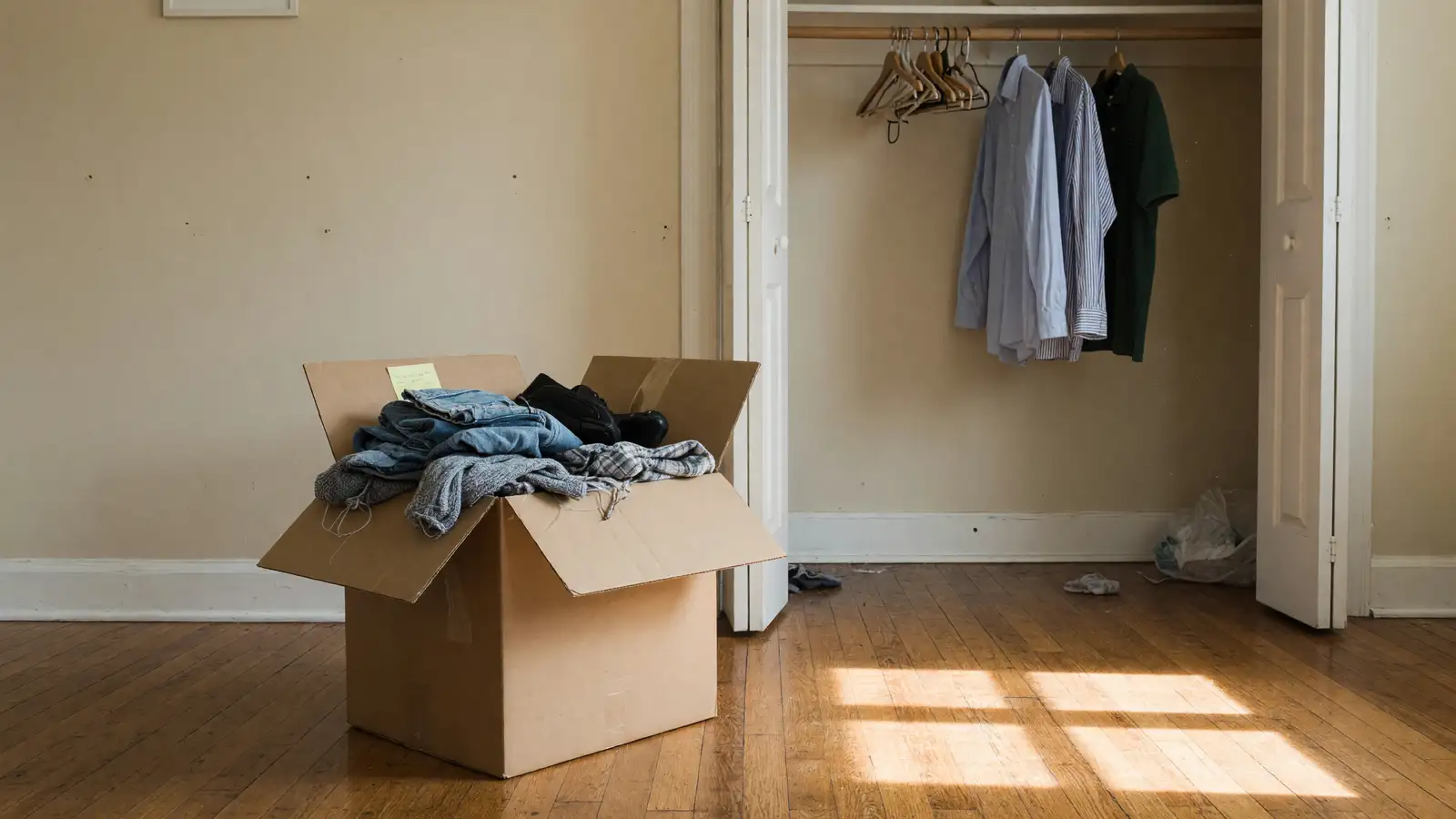
- Let it go — donate, recycle, or discard
- Relocate it — it belongs somewhere else in the house
You don’t touch anything outside your zone for the day. That restriction is the whole point. It prevents the cascade effect where you pull one thing out of a drawer, which leads to emptying the drawer, which leads to reorganizing the entire cabinet, which leads to abandoning the project halfway through.
Here’s a sample 30-day schedule:
Week 1 — The Easy Wins
- Day 1: Your nightstand and the drawer underneath it
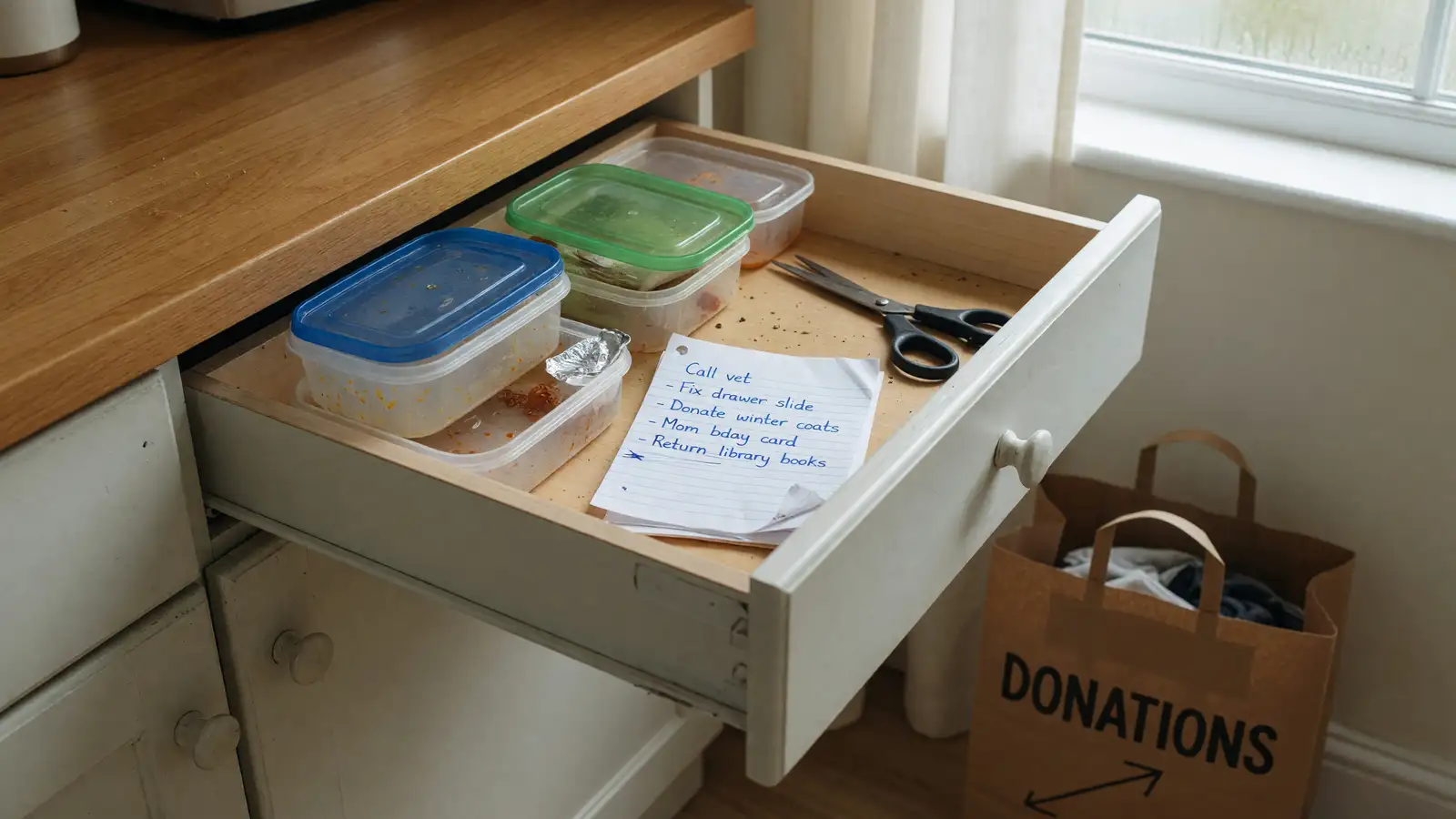
- Day 2: The junk drawer (yes, you have one)
- Day 3: Your bathroom medicine cabinet
- Day 4: One shelf in your pantry
- Day 5: Your coat closet floor
- Day 6: The glove compartment of your car
- Day 7: Rest day — no decluttering
Week 2 — Personal Spaces
- Day 8: Your desk surface (not the drawers — just the surface)
- Day 9: One dresser drawer (socks and underwear work well)
- Day 10: Your makeup or toiletry bag
- Day 11: The entries table or console near your front door
- Day 12: One kitchen counter corner
- Day 13: Your purse, backpack, or everyday bag
- Day 14: Rest day
Week 3 — Shared Areas
- Day 15: The living room coffee table and the shelf below it
- Day 16: One kitchen drawer (utensils is a good start)
- Day 17: A hallway closet or coat rack
- Day 18: Your home office or paperwork station
- Day 19: The laundry room surface and top of the machines
- Day 20: One bookshelf (just one)
- Day 21: Rest day
Week 4 — The Harder Stuff
- Day 22: Your digital desktop and downloads folder
- Day 23: One closet shelf (seasonal items you haven’t worn)
- Day 24: The garage or storage room entrance zone
- Day 25: Your email inbox (unsubscribe from anything you never open)
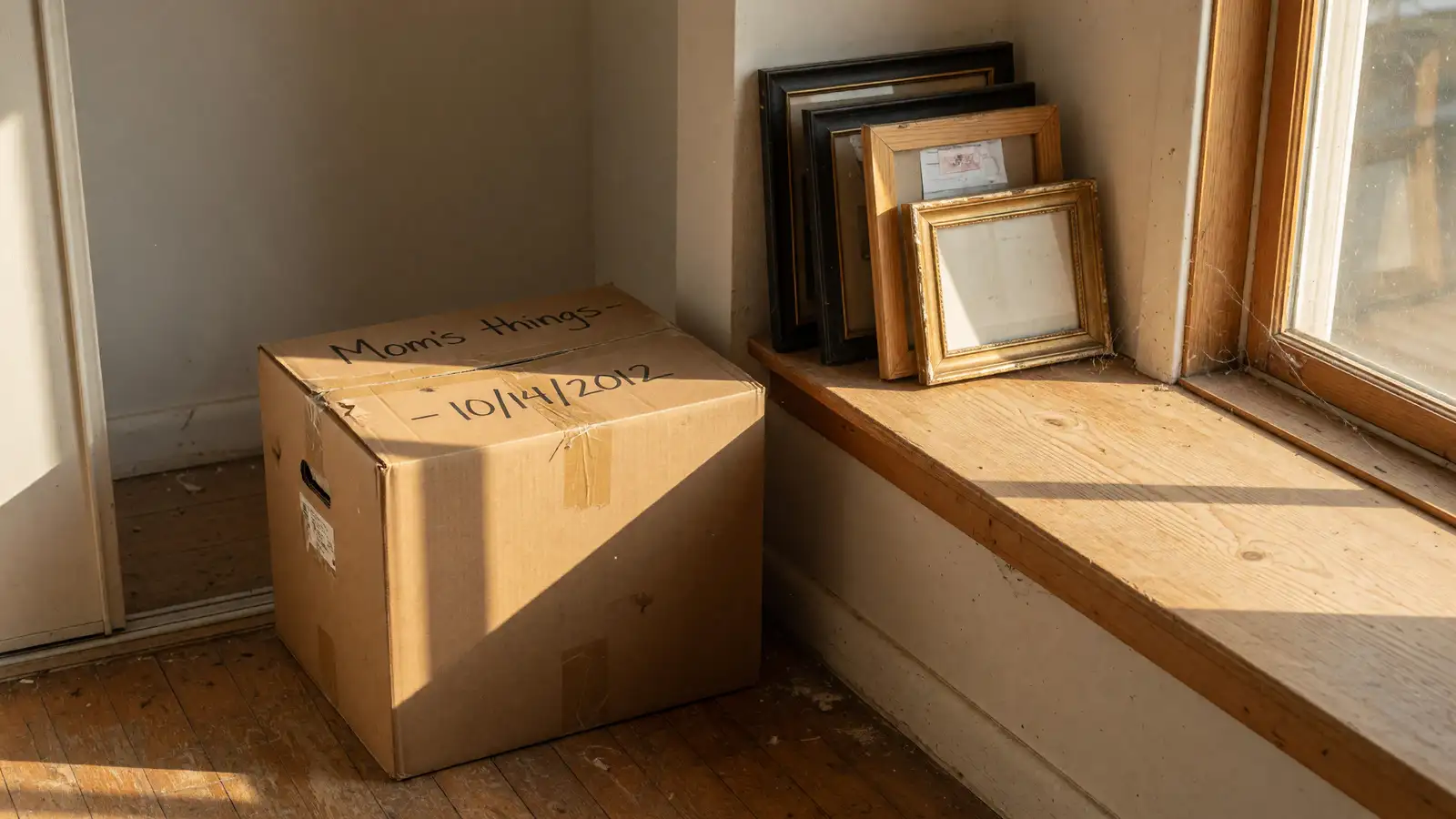
- Day 26: A sentimental item box — keep three, let the rest go with photos
- Day 27: Your phone home screen and unused apps
- Day 28-30: Catch-up days for anything you skipped or want to revisit
The Rules That Make It Stick
Don’t start a sorting pile. If you can’t decide in 30 seconds, put the item in a “maybe” box and seal it with today’s date. If you haven’t opened that box in six months, donate it unopened. Most people never open it.
One in, one out from day one. Starting today, every new item that enters your home means one thing leaves. This isn’t a rule for after the challenge — it’s a rule for during it. It prevents the backslide that happens when you declutter but keep buying.
Take photos of sentimental items before letting them go. The memory lives in the photo, not in the physical object. This works especially well for children’s artwork, ticket stubs, and souvenirs.
Don’t replace storage solutions during the challenge. Buying new bins and organizers before you’ve decluttered is like buying a bigger closet to hold more stuff. Declutter first, then assess what storage you actually need.
Why Day 7 Is a Rest Day
The psychological benefit of scheduled breaks is underestimated in any behavior-change process. When you know that day 7 is off-limits for decluttering, you’re more likely to push through the harder days without feeling like the project is consuming your life. It also gives your brain time to adjust to having less — which is actually the whole point of minimalism in the first place.
Most people find that by week 3, the challenge stops feeling like work and starts feeling satisfying. There’s a specific kind of calm that comes from opening a drawer and seeing only things you use and want. You don’t get that from a perfectly organized drawer full of stuff you don’t need.
After the 30 Days
By the end of the challenge, you’ll have touched every major zone in your home at least once. More importantly, you’ll have built a habit of making decisions about your belongings rather than letting them accumulate by default. That habit is worth far more than the empty shelf space.