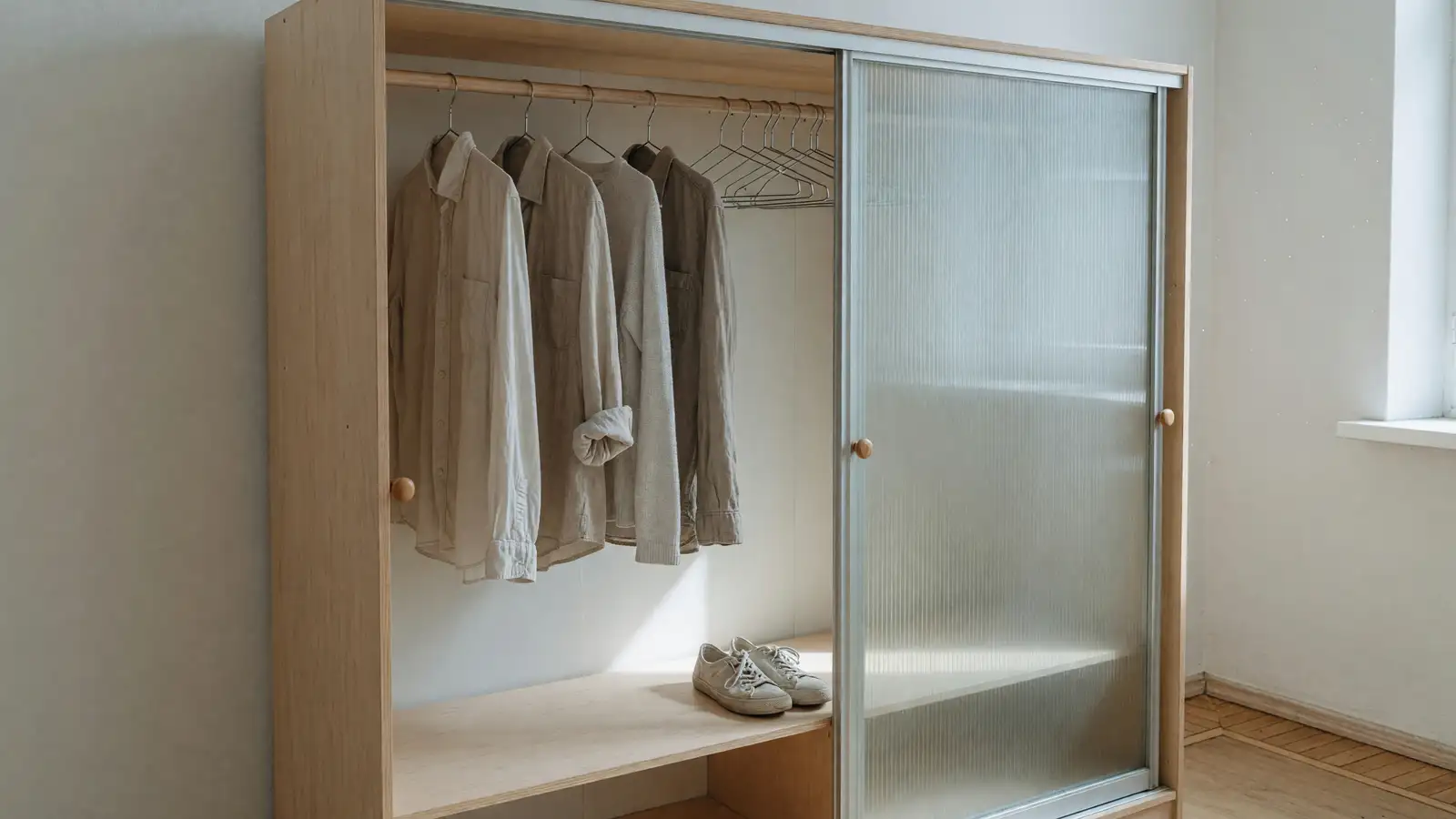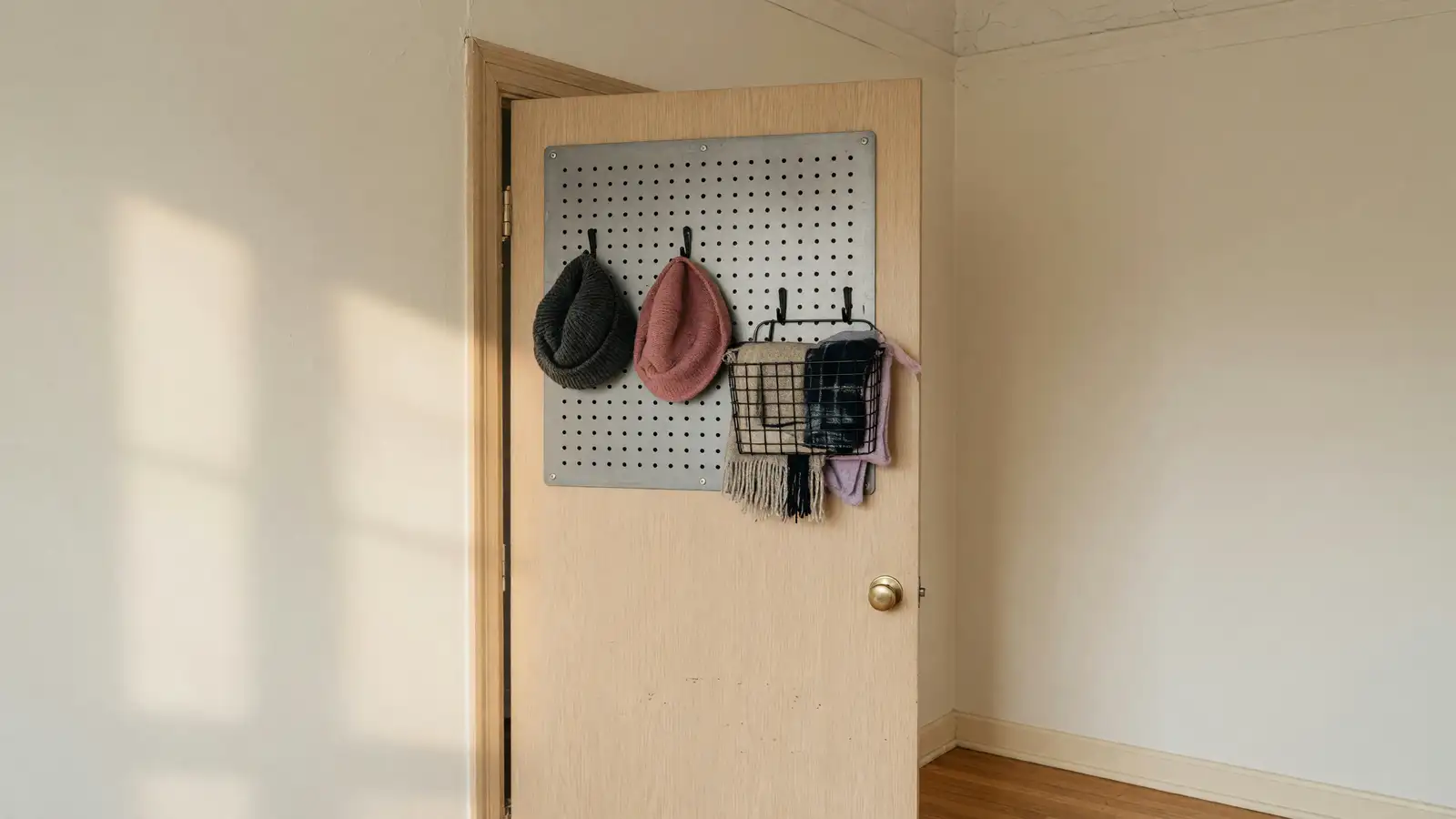
Have you ever stood in front of your closet, feeling overwhelmed by the sheer volume of clothes you own, yet somehow have nothing to wear? You are not alone. The average person wears only about 20% of their wardrobe regularly, leaving 80% of their clothes untouched and often forgotten. This guide will transform your relationship with your clothes and help you create a functional, beautiful wardrobe that makes getting dressed a joy rather than a chore.
The Psychology of Wardrobe Chaos
Before we dive into the practical steps, it is essential to understand why our closets become disorganized in the first place. We accumulate clothes for various reasons - sentimental value, perceived future use, bargains that seemed too good to pass up, or simply because we never developed a clear system for managing our garments. The good news is that with the right approach, you can break this cycle permanently.
The first step toward an organized wardrobe is acknowledging that less truly is more. When you reduce your wardrobe to items that you genuinely love and wear regularly, you eliminate decision fatigue, save time in the morning, and enjoy getting dressed. A capsule wardrobe is not about restriction; it is about intentionality.
Step One: Empty Everything
This may seem counterintuitive, but you need to take everything out of your closet. Yes, all of it. Find a large space - your bed, the floor, or a spare room - and lay out every single item of clothing you own. This process can be overwhelming, but it is necessary for creating an accurate picture of what you actually have.
As you lay out each item, you will likely discover clothes you forgot you owned, items you never wore, and pieces that no longer fit or align with your personal style. This visibility is crucial for making informed decisions about what to keep.
Step Two: The Three Piles Method
Create three distinct piles as you go through your clothes. The first pile contains items you love and wear regularly - these are your keepers. The second pile holds items that are in good condition but no longer serve you - these can be sold, donated, or given to friends. The third pile contains items that are worn out, stained, or damaged beyond repair - these should be recycled responsibly or discarded.
Be honest with yourself during this process. Ask these questions: When did I last wear this? Does it fit my current body and lifestyle? Does it make me feel confident and comfortable? If the answer to any of these questions gives you pause, the item likely does not belong in your wardrobe.
Step Three: Organize by Category
Once you have sorted through everything, organize your remaining clothes by category. This means grouping all shirts together, all pants together, all dresses together, and so on. Within each category, you can further organize by color, from light to dark, creating a visually pleasing and functional system.
This organization method makes it easy to see exactly what you have in each category, preventing duplicate purchases and helping you identify gaps in your wardrobe. It also makes getting dressed much faster when you can quickly locate exactly what you need.
The Capsule Wardrobe Approach
A capsule wardrobe typically consists of 25 to 50 versatile pieces that can be mixed and matched to create countless outfits. The key is choosing high-quality basics in neutral colors that complement each other, along with a few statement pieces that reflect your personal style.
Start with essentials: quality t-shirts in white, black, and gray; a well-fitted pair of jeans; tailored trousers; a classic blazer; and versatile dresses or skirts. Add seasonal pieces as needed, but always keep the core of your wardrobe focused on versatility and timelessness.
Storage Solutions That Work
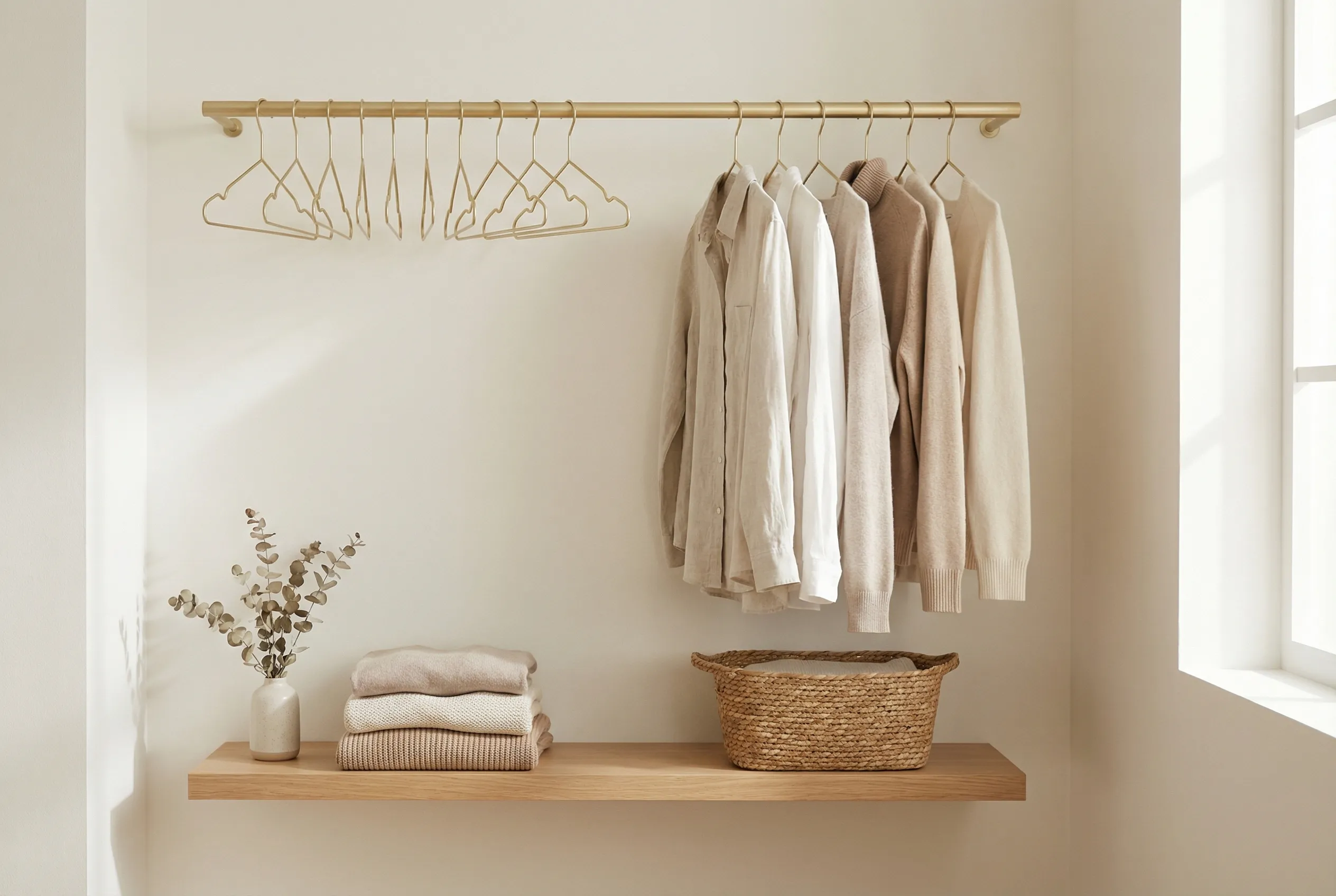
Invest in proper hangers - velvet hangers are excellent because they save space and prevent clothes from slipping. Use matching hangers throughout your closet for a cohesive, organized appearance that makes you feel good every time you open your wardrobe.
Drawer organizers are essential for folded items like sweaters, jeans, and accessories. Clear containers allow you to see contents at a glance, while labeled bins can hold seasonal items or special-occasion wear. The goal is to create a system where everything has a designated home.
Maintaining Your Organized Wardrobe
The hardest part is not organizing your wardrobe. It is maintaining that organization over time. Develop a simple habit of putting clothes back in their designated spots after wearing them. Implement a one-in, one-out rule: for every new item you bring into your wardrobe, remove one item.
Regularly assess your wardrobe, perhaps seasonally, to ensure it still serves your current needs and lifestyle. Our bodies, preferences, and circumstances change, and our wardrobes should evolve with us.
Conclusion
An organized wardrobe is within reach for everyone. It requires an upfront investment of time and effort, but the daily benefits - reduced stress, saved time, and increased confidence - make it worthwhile. Start small if needed, perhaps tackling one category at a time, and celebrate each small victory along the way. Your organized, intentional wardrobe awaits.