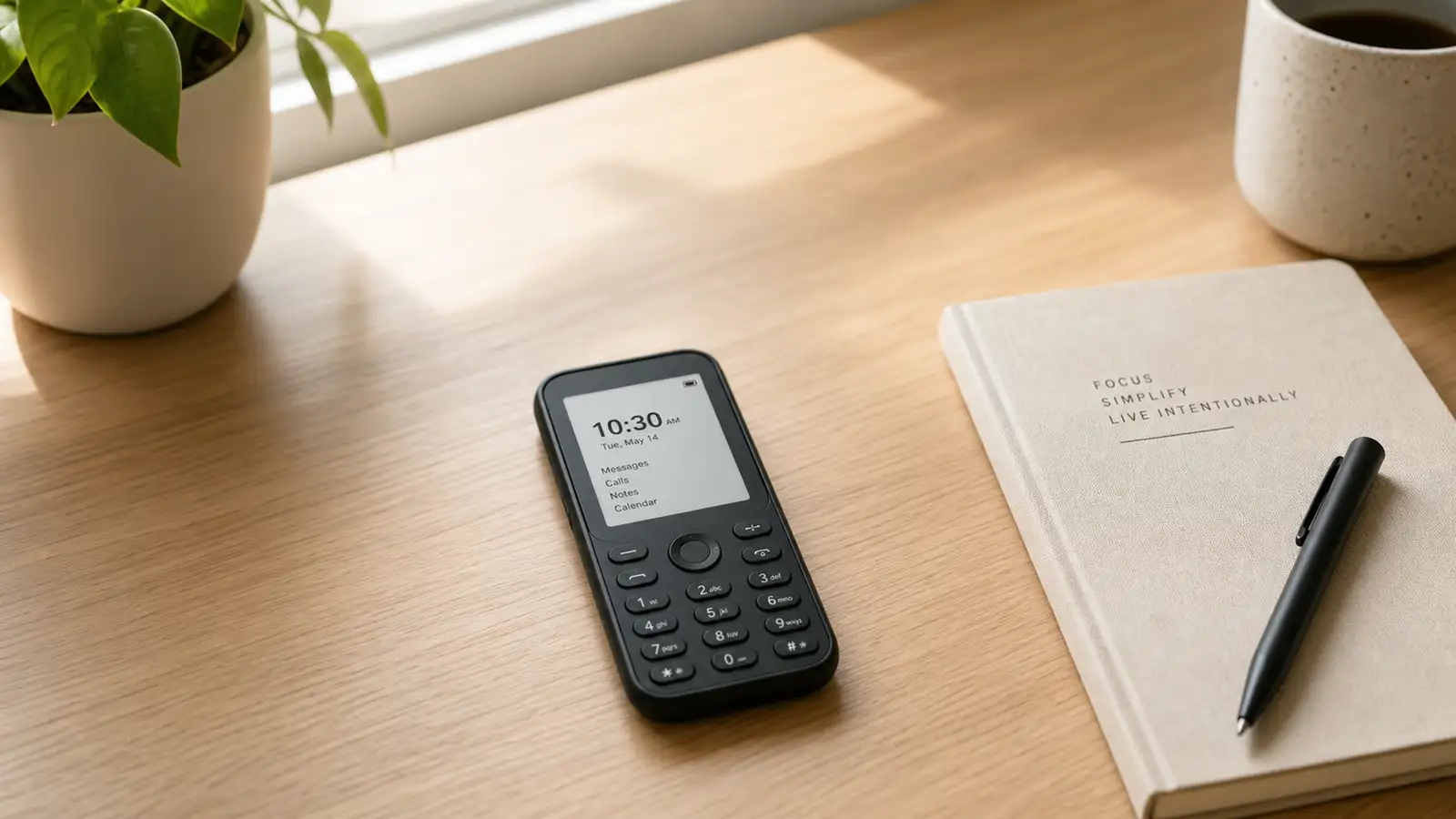
Rachel Hale, a USA TODAY reporter, put her iPhone in a drawer and tried a Light Phone II for a month in New York City. She described the experiment in a July 9, 2026 first-person report. She moved contacts over by hand, used a new number and chose which tools, including directions and a calendar, to put on the phone. Those choices shaped the experience as much as the smaller screen. Rachel Hale’s account, republished by AOL
At work the trade-offs were specific. Hale found the speaker too quiet to set the phone down during interviews, missed having a voice recorder and found it slow to text sources. Someone using the same phone for a weekend away would face a different set of demands. Hale’s account of using the phone for reporting
Which conveniences would you miss?
Hale’s setup allowed calls and texts. That answers one question about staying in touch, but it leaves a few practical ones for anyone considering a similar swap. Can your evening bus take a physical fare card? Can you sign in to work without a particular authenticator? Would a relative recognize a call from a new number? Write down the last three times your phone did something that another device would need to do.
Sort those tasks into ones you can move and ones you need to keep. A grocery list can live on paper for an afternoon. A building entry pass may need an arrangement with the building manager. Check arrangements before heading out, especially if someone depends on being able to reach you.
Try one ordinary outing first
Choose a familiar trip and keep your existing phone available for essential calls, accessibility tools and tickets. Silence the optional notifications for that outing. Carry just the replacement you intend to use, such as a written shopping list or a physical transit card. When you return, note what pulled your attention away, which alternative worked and what you would bring next time.
If you missed an important message, adjust who can reach you. If the only thing you missed was checking a feed while you waited, you have one concrete change to try on a normal workday. That is enough information to make a decision about your own routine without buying a second device. For a longer cleanup, see the digital minimalism guide.