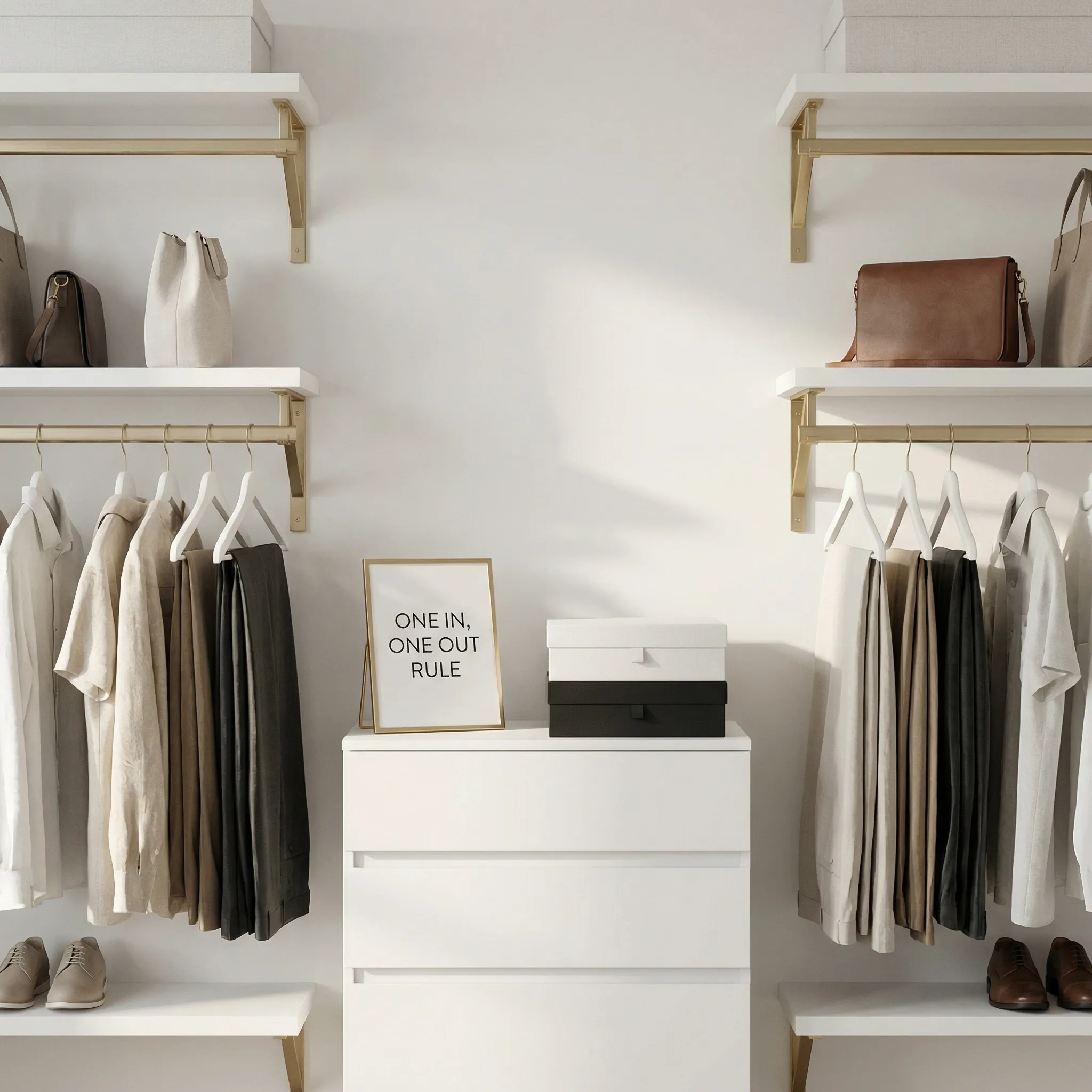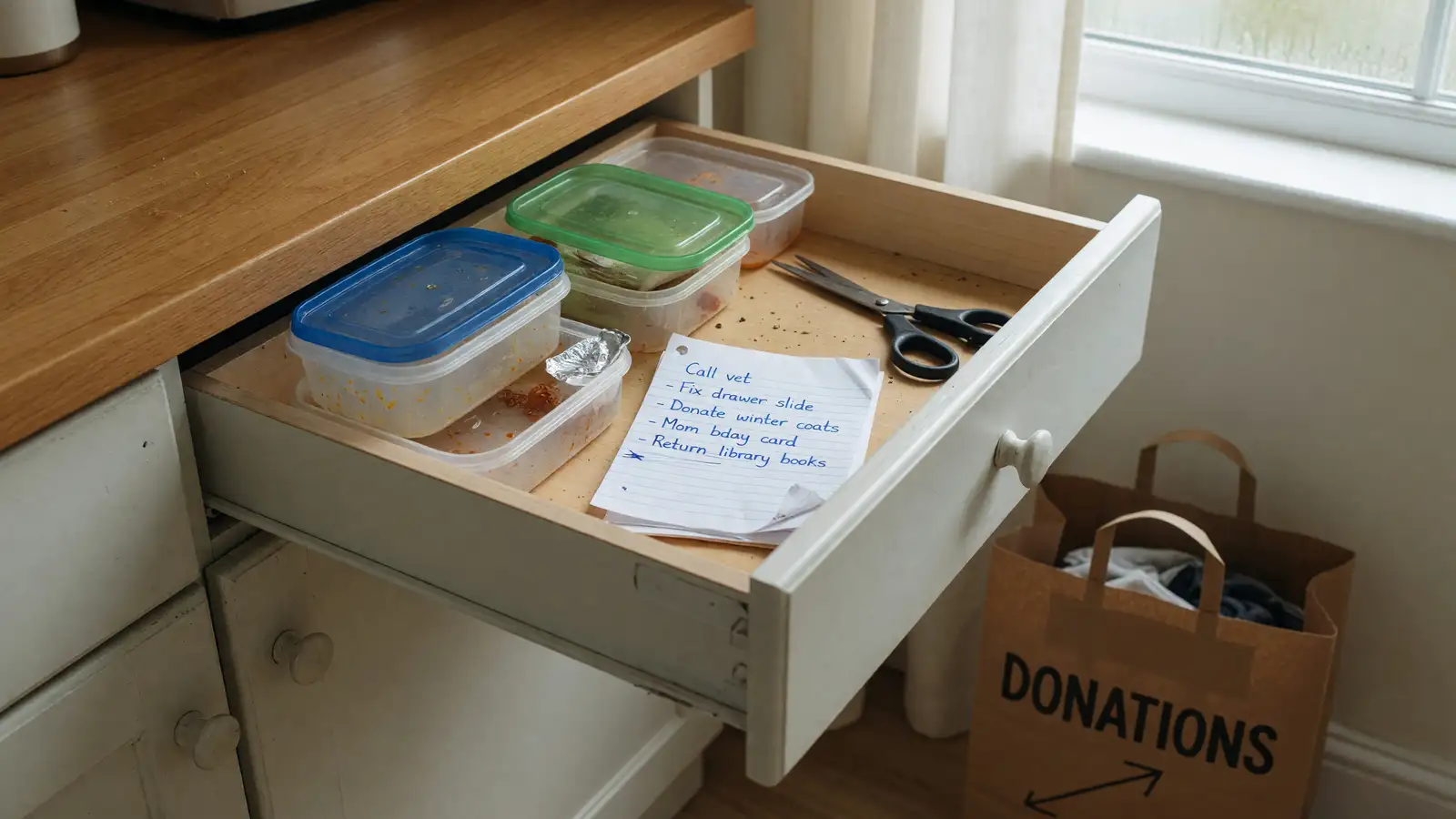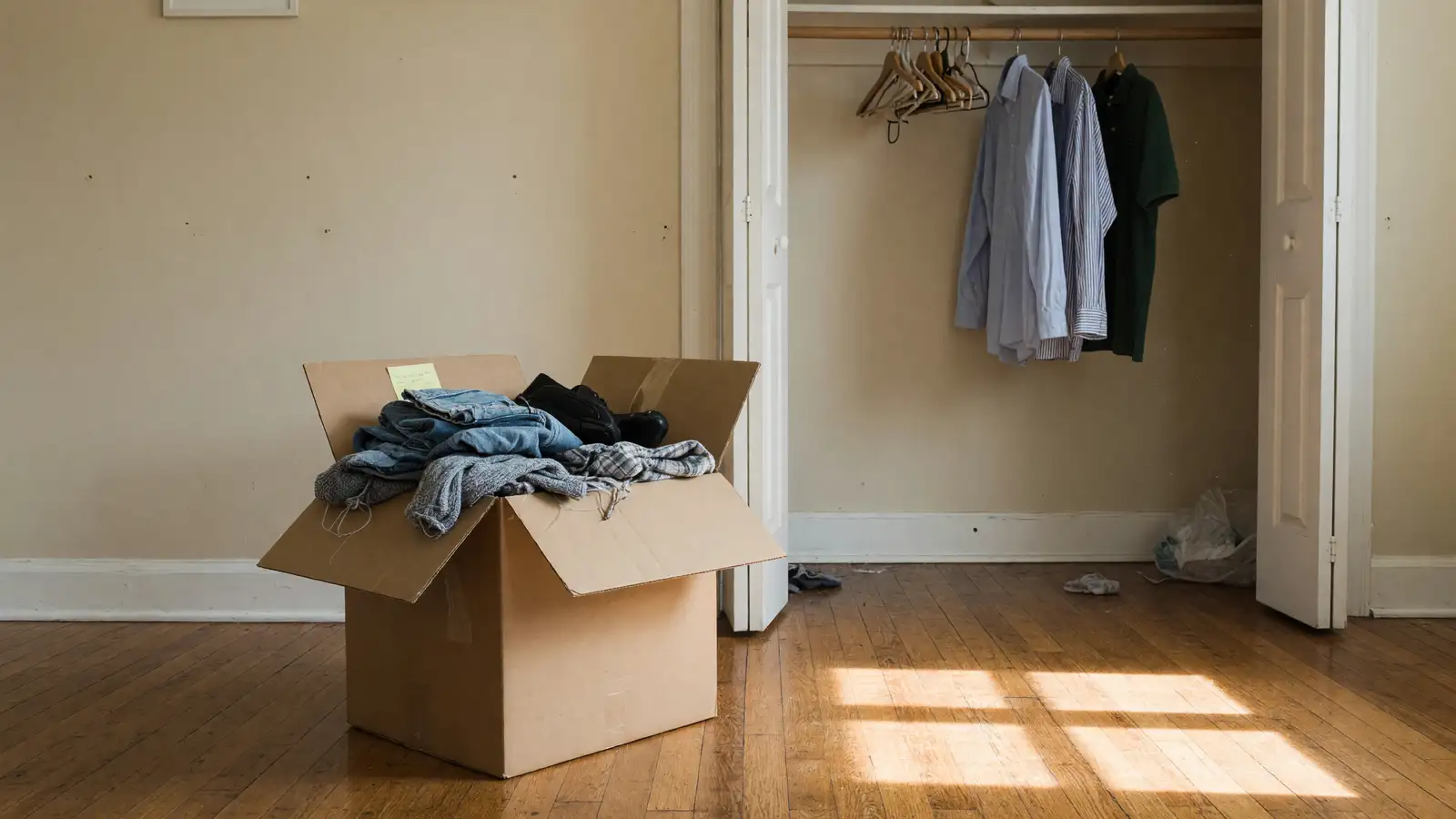
Decluttering is the cure for existing clutter. The one-in-one-out rule is the vaccine against future clutter. It is the single highest-leverage habit in home organization because it addresses the root cause — the steady inflow of new items — rather than treating the symptom of accumulated excess.
The rule is elegant in its simplicity: for every new item that enters your home, an equivalent item must leave. Buy a new shirt, donate an old one. Bring home a new book, give away one you have already read. Upgrade to a new kitchen gadget, discard or donate the one it replaces.
Why It Works
The one-in-one-out rule works on both a practical and psychological level. Practically, it prevents net accumulation. Your inventory of possessions stabilizes at whatever level you set through the rule. If you own thirty shirts and apply the rule consistently, you will always own thirty shirts — just gradually upgraded over time.
Psychologically, the rule introduces a cost to acquisition that pure decluttering does not. Without the rule, buying something feels purely positive. With the rule, buying something also requires deciding what to let go. This decision friction is often enough to prevent impulse purchases entirely. You want the new thing, but you do not want to part with anything you already own, so you simply do not buy.
The rule also reveals your true preferences over time. The items you keep through successive rounds of one-in-one-out are the items you genuinely value. The items you readily part with were taking up space without earning it. Over months and years, the average quality and utility of everything you own increases.
Category-by-Category Application
For clothing, the rule is most effective when applied within categories rather than across them. A new pair of shoes should displace an old pair of shoes, not a sweater. This prevents wardrobe imbalance where you own twenty pairs of shoes but only three shirts.
Books are the hardest category for many people. The emotional attachment to books is real, and the rule can feel like a betrayal of your intellectual identity. The reframe is that a book sitting unread on your shelf benefits no one. Donating it to a library or Little Free Library puts it in the hands of someone who will actually read it. Your bookshelf becomes a reflection of what you are actively interested in now, not a museum of past interests.
Kitchen items are where the rule saves the most money. Before buying a unitasker gadget — egg slicer, avocado tool, strawberry huller — ask what existing tool it would displace. If the answer is nothing because no existing tool does that job, the follow-up question is whether a multi-purpose tool like a chef’s knife already does the job adequately. Most unitaskers fail this test.
Children’s items require a modified approach. The one-in-one-out rule for toys works best when applied by the child rather than by the parent. Give the child agency: “If you want the new Lego set, which toy should we give to another child who would love it?” Children are often more willing to part with things than parents expect, especially when the outcome is a new toy they actively want.
The Exception Framework
No rule should be applied dogmatically. Consumables — food, toiletries, cleaning supplies — are exempt because they are used up rather than accumulated. Truly sentimental items with no functional equivalent — your grandmother’s ring, your child’s first drawing — are exempt because one-in-one-out was never designed for irreplaceable objects.
Tools and emergency supplies deserve a different calculation. Owning one fire extinguisher does not mean you should discard it when you install a second one on a different floor. The rule applies to categories where quantity rather than coverage is the relevant metric.
Starting the Habit
The hardest part of the one-in-one-out rule is the first month. You will catch yourself bringing home new items and realizing you need to find something to remove. This is uncomfortable. That discomfort is the rule working as designed. It is making you aware of your consumption in a way that mindless accumulation never did.
After a few weeks, the habit becomes automatic. You find yourself evaluating purchases before making them, mentally scanning your home for what would have to leave. Often, you put the item back on the shelf. The money stays in your account. The clutter never enters your home.
The one-in-one-out rule is not about deprivation. It is about intentionality. You can still buy new things. You can still enjoy shopping. You simply agree with yourself that your home has a finite capacity for belongings, and honoring that capacity means every addition requires a subtraction. The math is simple. The results compound.