The kitchen is the hardest-working room in any home, and it shows. Grease accumulates on cabinets, crumbs colonize every crevice, and the sink somehow becomes a repository for dishes that multiply when you are not looking. Yet the difference between a kitchen that feels perpetually dirty and one that stays reasonably clean with minimal effort often comes down to technique rather than time.
These cleaning hacks are not the kind that involve rubbing a lemon on everything and calling it a day. They are workflow adjustments and tool choices grounded in how kitchens actually get dirty.
The Order of Operations Matters More Than You Think
Most people clean their kitchen in exactly the wrong sequence, creating extra work for themselves. The fundamental principle is simple: clean from top to bottom and from dry to wet.
Start with overhead surfaces — light fixtures, top of cabinets, range hood. Any dust or grease you knock loose will fall downward, so cleaning these after the counters means doing the counters twice. Move to upper cabinets, then countertops, then appliances, and finally the floor.
Within each surface type, address dry messes before wet ones. Crumbs and flour sweep up easily from a dry counter but turn into paste when they meet a damp cloth. Save the sanitizing spray for after all loose debris is removed.
The Soaking Shortcut Nobody Uses Enough
Your most powerful cleaning tool is not a fancy spray or a scrub brush. It is time. Most kitchen soils — baked-on grease, dried sauce, coffee stains — release far more easily after a few minutes of contact with warm water and soap than they ever will from aggressive scrubbing.
Fill the sink with hot water and a tablespoon of dish soap before you start cooking. Drop used utensils, measuring cups, and mixing bowls in as you go. By the time you finish eating, the soak has done most of the work. A quick pass with a sponge and everything is clean.
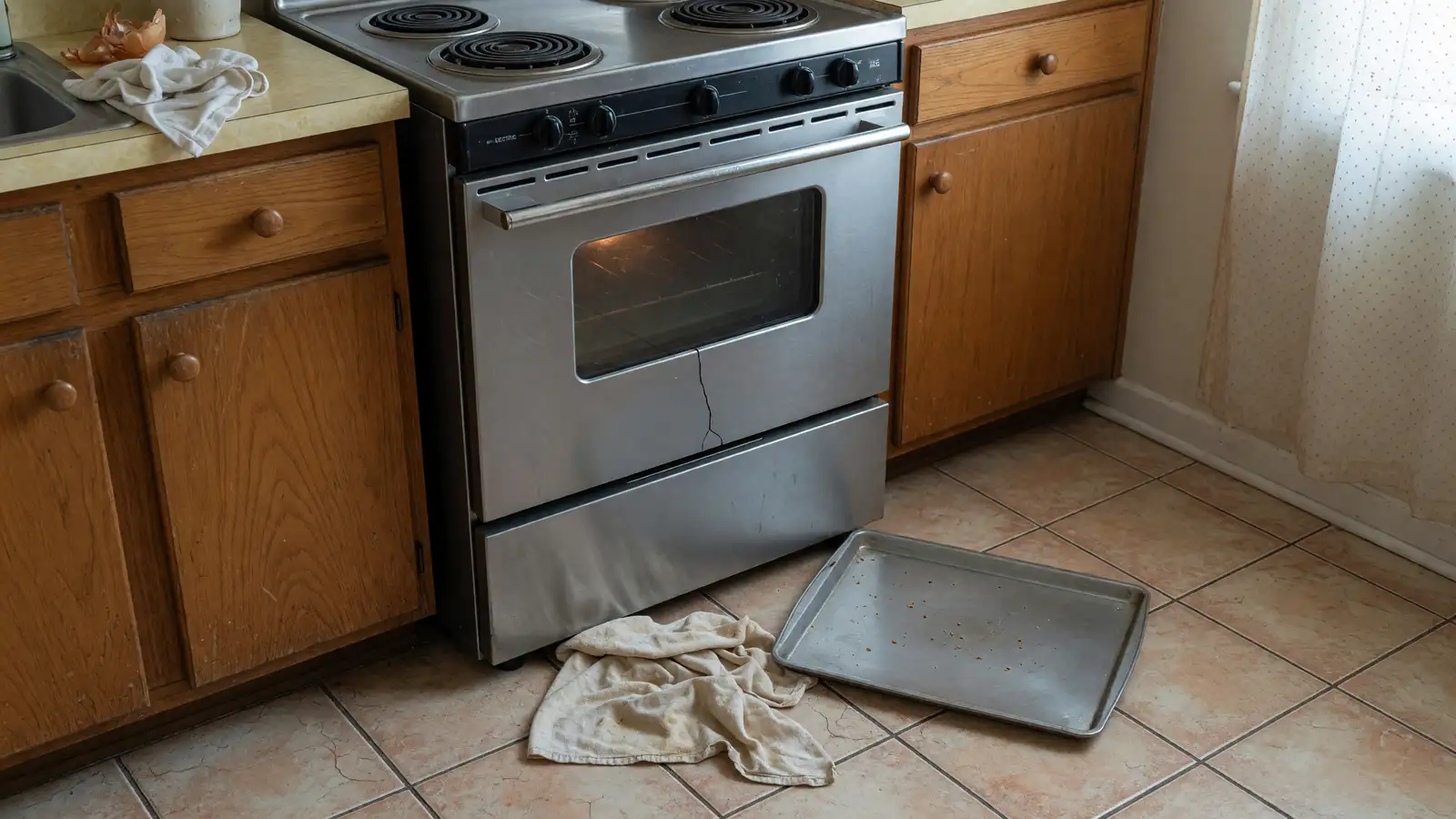
The same principle applies to baked-on oven mess and stovetop spills. A wet cloth laid over the affected area for ten minutes loosens residue that would otherwise require heavy scrubbing and harsh chemicals.
The Tools That Earn Their Keep
A good microfiber cloth outperforms paper towels for nearly every kitchen task. The split fibers create a static charge that attracts and holds dust, and the material’s structure traps grease without the need for heavy spray cleaners. Invest in a dozen and keep a clean stack under the sink.
A bench scraper — that flat metal rectangle bakers use to portion dough — is secretly the best tool for cleaning countertops. It effortlessly lifts dried-on food, flour paste, and sticky residue without scratching surfaces or saturating a sponge. At under ten dollars, it pays for itself in reduced paper towel usage within weeks.
For stainless steel appliances, the game-changer is understanding the grain. Every stainless surface has a subtle directional pattern, usually horizontal. Wiping with the grain using a dedicated microfiber cloth and a few drops of mineral oil produces a streak-free finish that repels fingerprints.
Prevention Is the Ultimate Hack
The most effective cleaning shortcut is generating less mess in the first place. A splatter screen over a skillet eliminates the aerosolized grease that eventually coats every surface in the kitchen. Lining the top of cabinets with wax paper or newspaper — replaced monthly — catches the sticky dust that would otherwise require degreaser to remove.
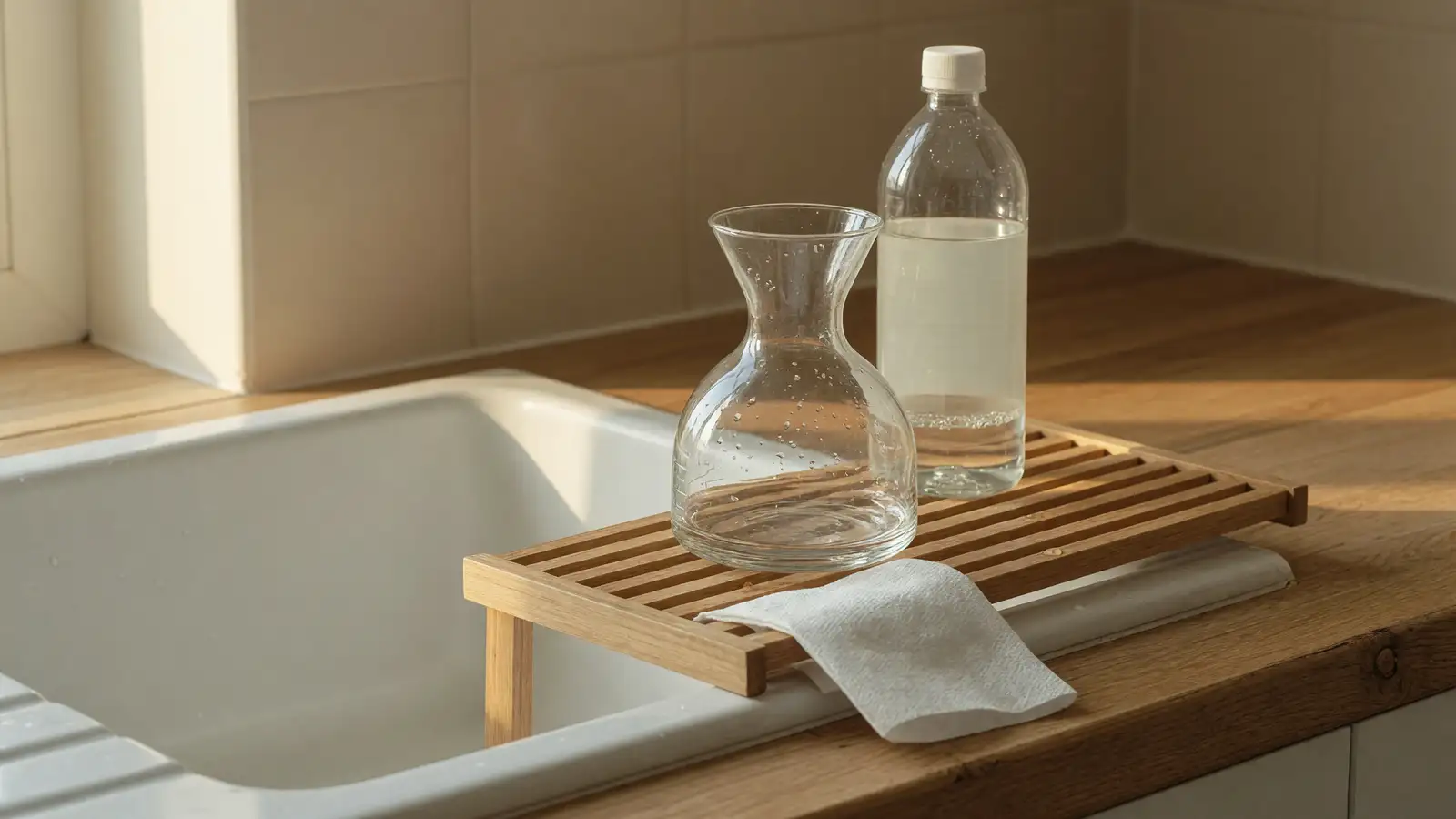
The sink itself benefits from a thirty-second nightly routine: rinse thoroughly, spray with a diluted vinegar solution, and wipe dry with a microfiber cloth. A dry sink cannot grow bacteria or develop water spots. This tiny habit eliminates the need for weekly deep scrubbing entirely.
A clean kitchen is not about spending more time cleaning. It is about spending the time you already spend more intelligently.