8 Habits Organized People Never Do (And How to Stop Doing Them Too)
I used to think people with spotless homes just had more time or fewer kids. Then I started talking to professional organizers for this blog, and the pattern became obvious: it is not about time or resources. It is about a handful of habits that tidier people refuse to engage in, and that the rest of us fall into without noticing.
Here are eight of the most common ones, along with small changes that actually stick.
1. They Never Leave Dirty Dishes in the Sink Overnight
Jennifer Truesdale, founder of STR8N UP Professional Organizing Services in Charleston, South Carolina, says this is one of the first things she tells clients to change. Even without a dishwasher, hand-washing everything before bed takes about 15 minutes at most. The payoff is immediate: you wake up to a clean kitchen instead of yesterday’s mess staring at you from across the room.
The psychology behind this is clear. A dirty sink signals unfinished business, and that low-level stress compounds over the week. Washing dishes right after eating also prevents food from hardening onto plates, which means less scrubbing later.
How to start: Set a rule that the kitchen is cleared before you sit down to watch anything at night. Pair it with something enjoyable, like a podcast or music, so it does not feel like punishment.
2. They Never Leave Tasks for the Morning
Lesley Deseyu, founder of Clean Lines Organizing and Design in Towson, Maryland, points out that organized people handle tomorrow’s prep the night before. She says that packing bags, laying out clothes, and reviewing the next day’s schedule eliminates most morning stressors and actually changes your entire mood when you wake up.
Morning chaos tends to cascade. When you rush through breakfast, you forget something, then you are late, and the whole day starts on the wrong foot. A ten-minute evening routine prevents that chain reaction entirely.
How to start: Pick just one thing to prep tonight. Pack your bag, set out your keys by the door, or write tomorrow’s top three priorities on a sticky note. Once that becomes automatic, add a second task.
3. They Never Make Impulse Purchases Without a Plan
Kristen Ziegler, founder of Minima in Richmond, Virginia, explains that organized people ask themselves three questions before buying anything: does it serve a purpose, does it bring genuine joy, and does it have a designated spot in the home? If the answer to any of those is no, the item does not come home.
Impulse buying is the single biggest source of new clutter. Every random mug from a gift shop, every gadget from an infomercial, every “it was on sale” pile of clothes adds something to manage, store, and eventually discard. Organized people treat their homes like limited inventory space, and they guard that inventory carefully.
How to start: Try a 48-hour rule. If you see something you want, wait two days before purchasing. Most of the time, the urge passes. For bigger purchases, sleep on it for a week.
4. They Never Hold Onto Things Out of Guilt
This one trips up a lot of people. Ziegler notes that organized individuals let go of items that no longer serve a purpose, even when those items came from someone they care about. Guilt over unwanted gifts is one of the most persistent clutter sources in homes she has organized.
The thinking goes something like this: your mother gave you that ceramic rooster, so throwing it away feels disrespectful. But keeping an item you do not use or enjoy does not honor the relationship. Most gift-givers would rather you be honest about what you need than keep accumulating things you do not want.
How to start: If you receive a gift you will not use, thank the person warmly and then donate it within a week. The longer something sits on a shelf, the harder it becomes to let go. For items already in the house, start with the easiest category first, like duplicate kitchen tools or clothes you have not worn in a year.
5. They Never Let Paper Pile Up
Paper clutter is sneaky because it arrives daily. Mail, school notices, receipts, manuals, magazines, and printed documents accumulate on counters and tables faster than most people realize. Organized people deal with paper the same day it arrives, typically sorting it into three piles: act now, file, or recycle.
Organized people do not view paper as something to deal with later. They have a system, even if that system is just a recycling bin next to the front door and a single folder for anything that genuinely needs keeping. Studies on household clutter consistently find that paper is the number one category of clutter in American homes, ahead of clothes and kitchen items. The American Cleaning Institute reports that the average household generates about 4.5 pounds of junk mail per week, and most of it goes straight to the counter instead of the bin.
The reason paper piles up is that each piece feels like it might be important. Coupons, invitations, warranty cards, and school newsletters all seem to demand attention, so they sit there collecting dust for weeks. Organized people treat each piece of paper as either actionable or trash, with very little middle ground. That decisive sorting happens at the point of entry, not days later.
How to start: Stand next to the recycling bin when you sort through the mail right away. Toss junk mail immediately. For anything that needs attention, put it in a designated spot, not on the counter. Schedule five minutes each Sunday to clear that spot.
6. They Never Skip Putting Things Back Where They Belong
This sounds obvious, but the difference is in the timing. Most people put things back eventually, usually when the mess becomes unbearable. Organized people put things back immediately after use, or at least before moving on to the next activity.
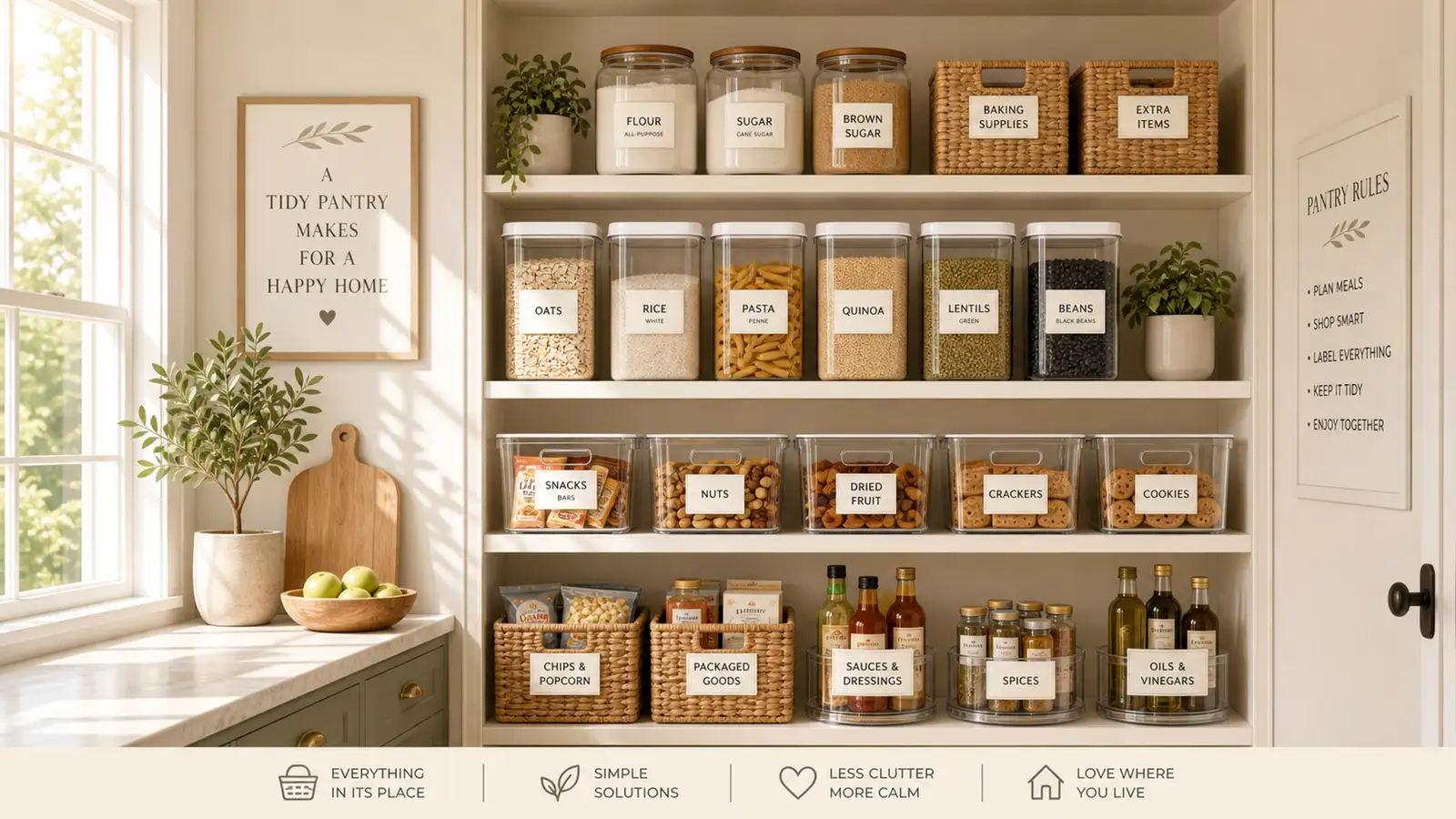
The concept has a name in Japanese organizing philosophy: a place for everything and everything in its place. But the real mechanism is not about having enough storage. It is about treating the act of putting something away as part of using it, not as a separate task. When you finish cooking, the pans go back before you eat. When you take off your shoes, they go in the closet before you sit down.
How to start: For one room, identify the five items that end up scattered most often. Put a labeled bin or hook near where those items get used. A bowl by the door for keys, a basket in the living room for blankets, a hook for the dog leash. Reduce the distance between “using” and “putting away.”
7. They Never Let One Messy Room Become an Excuse for the Rest
Organized people contain problems. If the garage is a disaster, that does not mean the kitchen gets to deteriorate too. They draw a mental line and protect the rooms they use most, even when other areas are in chaos.
This is a practical strategy, not a personality trait. When every room is messy, the task of cleaning feels overwhelming and impossible. When only one room needs attention, it feels manageable. Professional organizers call this “protecting your core zones” and it is one of the first principles they teach.
How to start: Pick the three rooms you use daily. Commit to keeping those clear at all times, no matter what. Let other rooms be imperfect while you build the habit. Once the core zones are automatic, gradually expand to secondary spaces.
8. They Never Ignore Small Messes Hoping They Will Fix Themselves
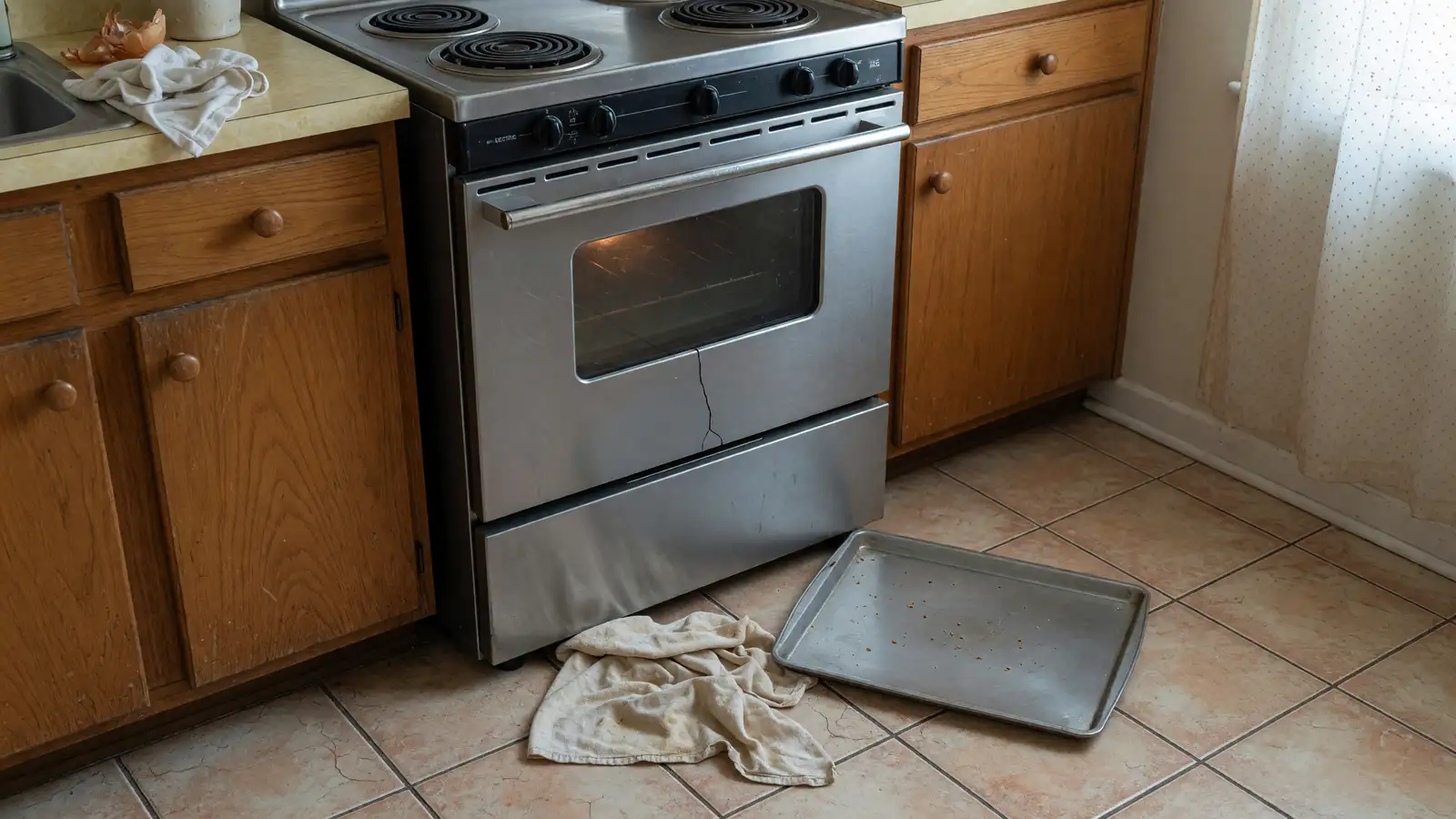
A coat draped over a chair does not put itself away. A stack of mail on the counter does not sort itself. Organized people address small messes the moment they notice them, because they know that small messes are the raw material for big ones.
This habit is sometimes called the two-minute rule: if something takes less than two minutes to do, do it now. The research on this is consistent across productivity studies and home organization research. Habits that form around immediate action are far more durable than habits that rely on willpower and scheduled cleaning sessions.
How to start: The next time you see something out of place, stop what you are doing and put it away right then. It takes less than two minutes, and that immediate completion creates a small burst of satisfaction. Over time, that feedback loop builds the habit without requiring any motivation at all.
Why These Habits Work Together
None of these changes are dramatic on their own. You are not rearranging furniture or buying expensive storage systems. What you are doing is removing the daily micro-decisions that lead to clutter. Each habit eliminates one source of decision fatigue, and together they create a home that stays organized with minimal effort.
The pattern is the same across every professional organizer I have interviewed: small, consistent actions beat occasional deep cleans every time. You do not need a spring cleaning marathon if you are not creating the mess in the first place. A 2024 survey by the National Association of Productivity and Organizing Professionals found that people who maintain daily tidying habits spend 40 percent less time on weekend cleaning than those who rely on periodic deep cleans. The math is simple: five minutes of prevention saves an hour of cure.
The other thing worth noting is that these habits compound in ways that are hard to predict. When your kitchen stays clear, you cook more. When your entryway is organized, you leave the house on time. When paper does not pile up, you actually open your bills and notices instead of shoving them aside. None of that is dramatic, but it changes how your home feels to live in.
Start with one habit this week. Master it. Then add another. Within two months, your home will feel different, and you will wonder why you ever thought organization required more time than you had.