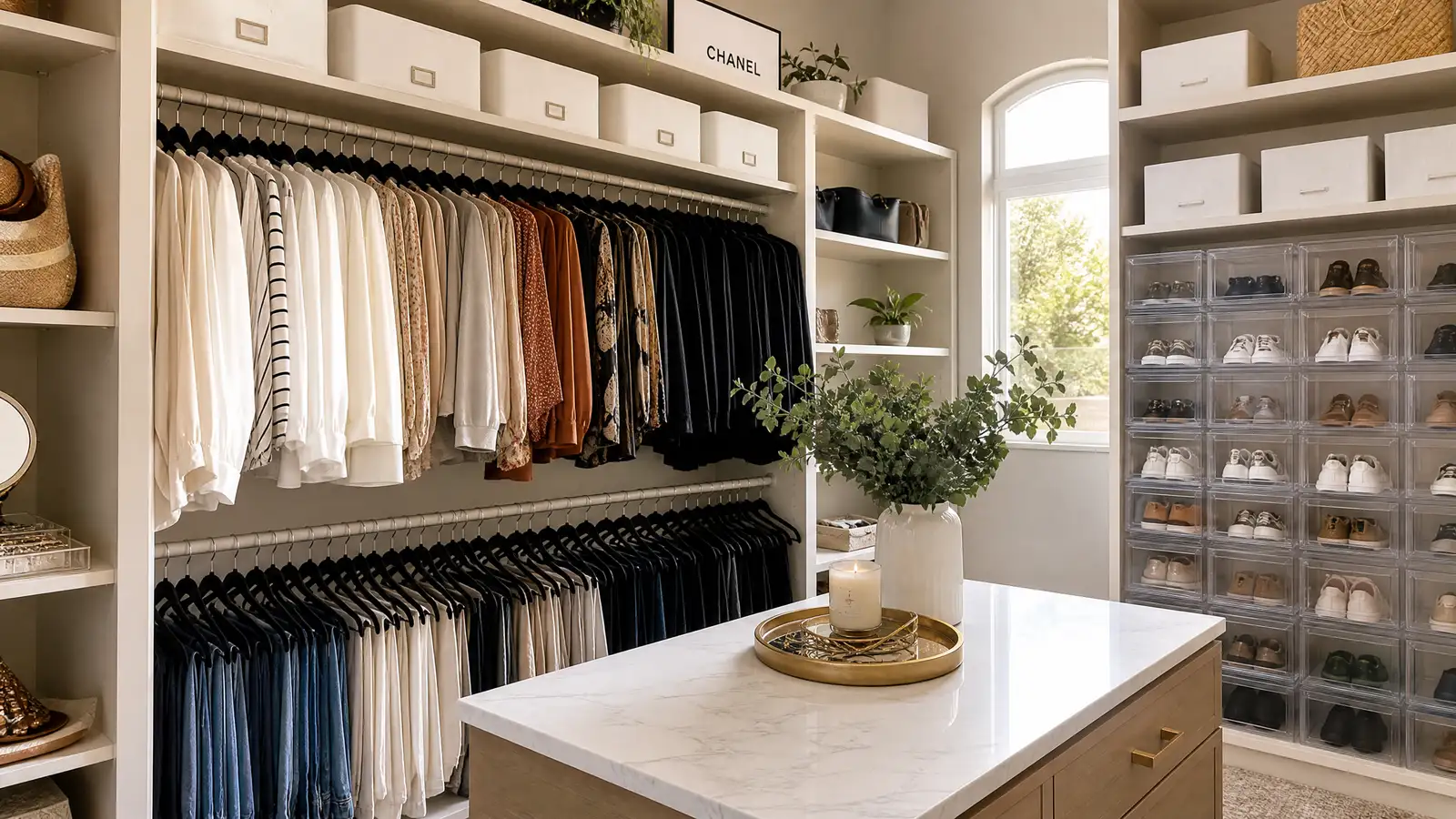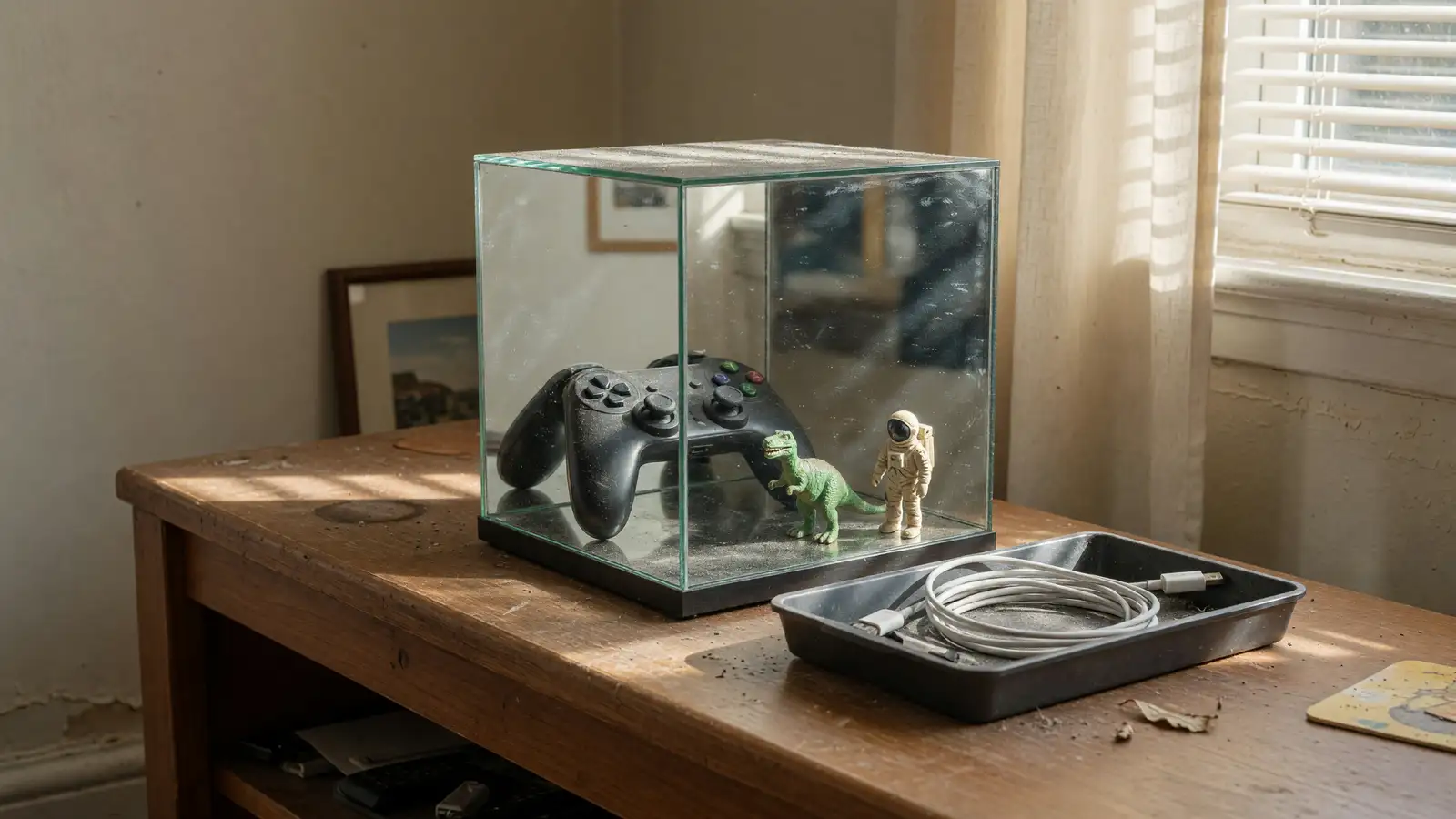
Every year, Apartment Therapy puts home organization products through a gauntlet. Their testers spend hundreds of hours filling drawers, stacking shelves, and wrestling with bins that promise to solve clutter. The fourth annual Organization Awards just dropped, and the 40 winners are worth paying attention to — not because they’re the flashiest products on Amazon, but because they survived real-world testing.
Meanwhile, Real Simple gave professional organizers a hundred-dollar budget and asked them to stock a home from scratch. The results overlapped more than you’d expect with the award winners, which tells you something about what actually works versus what just looks good in a product photo.
Here’s what the 2026 awards and budget tests reveal about the state of home storage, and how to use those lessons in your own space.
What the Testing Process Actually Measures
Most product roundups rely on specs and user reviews. The Organization Awards take a different approach. Their team evaluates products across multiple rooms, with different types of clutter, over extended periods. A storage bin that looks great on day one but cracks by month three doesn’t make the list.
The testing criteria center on three things: durability, versatility, and real usability. A beautiful acrylic organizer that scratches the first time you slide it across a countertop fails. A modular system that only works in one specific configuration fails. Products that survive are the ones that adapt to how people actually live — not how influencers photograph their closets.
This matters because the gap between “looks organized” and “stays organized” is where most storage purchases go wrong. The awards filter for the second category. Over four years, the team has refined what counts: products that hold up through moves, life changes, and the daily roughhousing of kids and pets. That track record is more useful than a five-star review written three days after delivery.
The awards also test across budget ranges. You don’t need to spend a fortune to get durable storage. Some of the 2026 winners come in under twenty dollars. The common thread isn’t price — it’s that the product solves a real problem without creating new ones.
The Rise of the Multi-Room Storage System
Versatility dominated the 2026 winners. IKEA’s TROFAST system took top honors in the storage system category, and the reasoning is worth understanding. Originally designed for toy storage, the TROFAST has become a go-to for laundry rooms, entryways, walk-in closets, and living areas. The frame-and-bin design lets you swap configurations as needs change.
This isn’t a new product. IKEA has sold TROFAST for years. What’s new is the recognition that the best storage investment is one you don’t have to replace when your life shifts. Families who bought TROFAST for a toddler’s playroom five years ago are now using the same frames in a teenager’s room with different bin sizes. The cost per year of use drops with every additional configuration.
The lesson applies beyond IKEA. When evaluating any storage system, ask whether it can move rooms and still work. Fixed, single-purpose storage is a gamble on your current layout staying the same. Modular systems hedge that bet. The TROFAST frame costs more upfront than a stack of plastic bins, but the bins can be replaced individually, and the frame itself lasts decades.
The CB2 Truman cabinet also won in the furniture-storage crossover category. It’s an acacia wood cabinet with glass doors that functions as both display furniture and concealed storage. Storage that doubles as furniture earns its floor space twice. In smaller homes where every square foot counts, a piece that serves two purposes eliminates the need for a separate storage unit and a separate display piece.
This dual-function approach shows up throughout the 2026 winners. Benches with hidden compartments. Ottomans that open to reveal blanket storage. Coffee tables with drawers sized for remote controls and coasters. The boundary between “furniture” and “storage” keeps blurring, and the best products don’t ask you to choose.
Budget Solutions the Professionals Actually Use
The Real Simple experiment gave professional organizers a hundred dollars and sent them shopping. The products they chose reveal what experienced eyes pick when they’re not being sponsored.
Pull-out storage organizers made the list. These slide into existing cabinets and create tiered access to items that normally get buried in the back. The two-pack format from budget brands runs under twenty dollars and works in kitchen cabinets, bathroom vanities, and office shelving. Professional organizers favor them because they solve a specific, common problem: the cabinet depth that wastes half its potential.
Without pull-out organizers, the back half of a deep cabinet becomes a graveyard for items you bought twice because you forgot you already had them. The pull-out tray brings everything forward. It’s a small mechanical intervention that changes how you use the space.
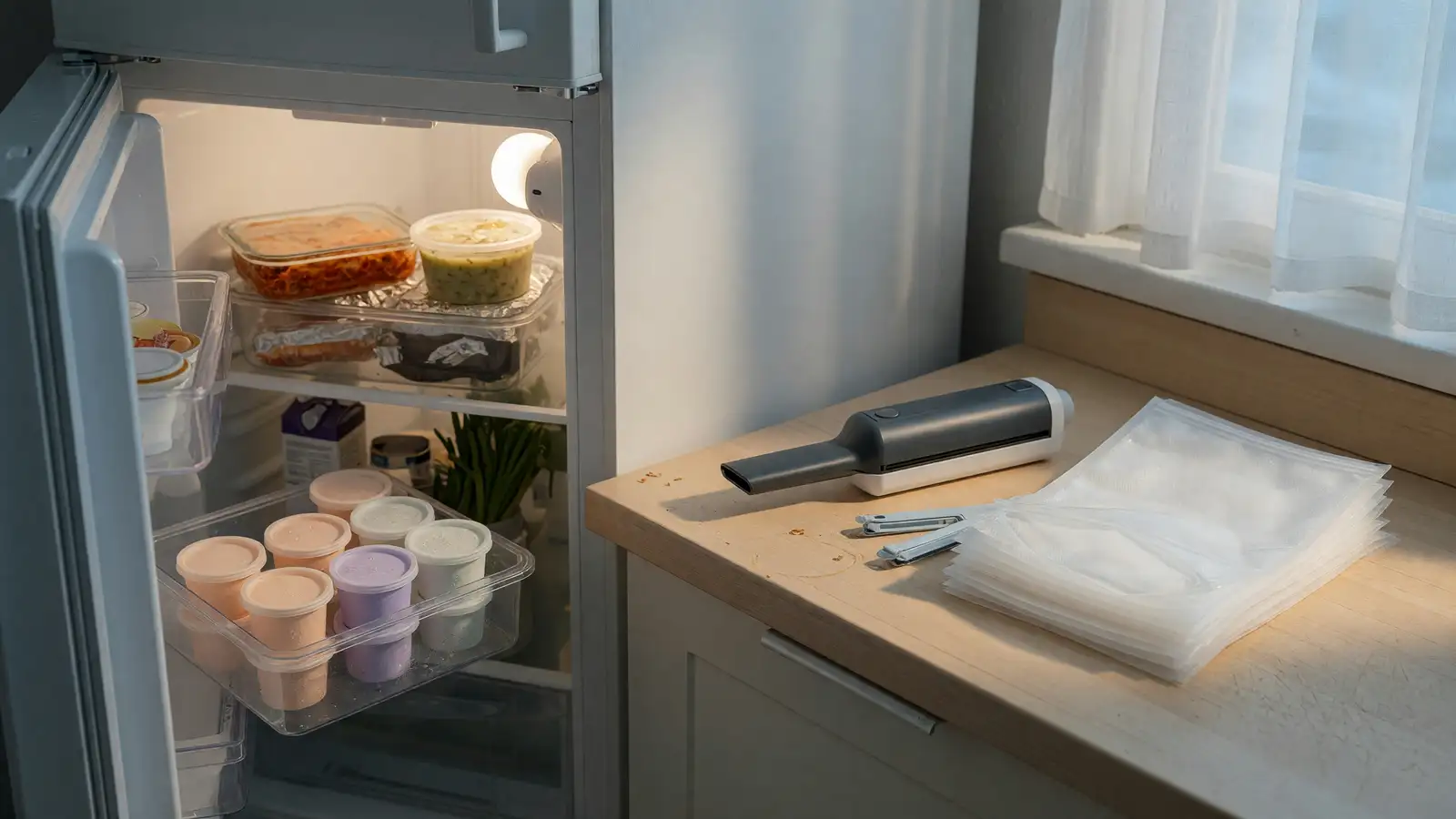
SONGMICS cabinet organizer shelves appeared in both the budget test and the award winners. The brand keeps showing up in organized-home content because their products hit a sweet spot of price, build quality, and plain design that doesn’t fight your existing decor. Their vacuum storage bags also won recognition — the seal holds for months, which separates quality compression bags from the ones that slowly leak and re-expand.
Under-bed storage bags with see-through tops also earned professional praise. The key feature isn’t the storage capacity — it’s the transparency. Being able to see what’s inside without unzipping eliminates the “mystery bag” problem that leads people to buy duplicates of things they already own. Professional organizers see this constantly: a closet with three identical sets of winter scarves because nobody could remember which bag held what.
Cable ties and cord organizers rounded out the budget picks. Donruby silicone cable ties earned attention for being reusable and heat-resistant, which matters near electronics. The professional organizers noted that cable clutter creates visual stress disproportionate to the actual mess — a small tangle of wires behind a desk can make an entire room feel disorganized.
The budget findings confirm a pattern: the products that save the most space tend to be the simplest. Pull-out drawers, transparent bags, and adjustable shelf systems don’t have moving parts to break or features to outgrow. They solve the problem and then get out of the way.
How to Evaluate Storage Products Before Buying
The awards and budget tests together offer a practical framework for evaluating any storage purchase.
Start with the room test. Will this product work in more than one location in your home? If it only fits one specific cabinet or corner, you’re buying a solution for today’s layout. Storage that moves with you has more long-term value. The TROFAST system’s win is partly because it works in bedrooms, bathrooms, laundry rooms, and entryways without modification.
Check the material reality. Product photos show pristine conditions. Look for reviews that mention six months or a year of use. The most common failure points are drawer slides that loosen, bins that warp under weight, and finishes that scratch or peel. The award winners survived extended testing specifically because they held up beyond the unboxing phase. When reading reviews, filter for the ones that mention long-term use — “still going strong after eight months” tells you more than “arrived in great condition.”
Consider the labeling question. Products that make labeling easy — clear surfaces, flat tops, dedicated label slots — tend to stay organized longer. This isn’t about being obsessive. It’s about reducing the friction between “I put something away” and “I can find it again.” The under-bed bags with transparent tops follow this principle perfectly. So do clear canisters in pantries and labeled bins in linen closets.
Evaluate the aesthetic fit. This isn’t vanity. Storage that clashes with your room’s look creates visual noise that undermines the calming effect you’re organizing for. The winning products tend toward neutral materials and clean lines that blend rather than demand attention. Natural rattan, clear acrylic, white or gray plastic, and light wood tones dominated the 2026 selections. These choices aren’t accidental — they disappear into most decor schemes rather than competing with them.
Finally, calculate the cost-per-use. A forty-dollar modular system you’ll reconfigure for years costs less per use than a ten-dollar bin you’ll replace next spring. The award winners skew toward the first category. When you break down the cost over five years of daily use, the “expensive” option often wins.
The Categories That Mattered Most in 2026
The 2026 awards highlighted several product categories that reflect current living patterns.
Entryway and mudroom storage saw strong representation. With families managing school gear, sports equipment, and daily commuter items, the entryway has become the highest-traffic storage zone in many homes. The Lulive hall tree with bench and coat rack combines seating, hanging space, and shoe storage in a single footprint — the kind of multi-function piece that earns its spot in a small entry. Back-to-school season amplifies the need: backpacks, shoes, jackets, and lunch boxes all need homes that kids can reach without help.
Vacuum compression storage continued to win. SONGMICS vacuum bags address a universal problem: seasonal clothing and bedding that consume prime closet space for months. The technology is straightforward — seal, vacuum, compress — but the implementation matters. Quality bags hold their seal for months without leaking, which is the difference between a closet that stays organized and one that slowly re-expands as air creeps back in.
Cable and cord management products appeared more prominently than in previous years. As homes accumulate more devices, the tangle of charging cables and power adapters becomes a visible clutter source. Silicone cable ties and cord organizers address this with minimal investment. The trend reflects a broader shift: organization isn’t just about big spaces like closets and garages anymore. The small, everyday messes matter too.
Kitchen cabinet organization remained a dominant category. Pull-out shelves, tiered organizers, and divider systems for drawers continued to perform well in testing. The kitchen is where most people first notice disorganization, and the solutions that work there tend to translate to other rooms. A drawer divider that works for utensils works for desk supplies. A pull-out shelf that organizes canned goods works for cleaning products under the sink.
Garage and utility storage also earned multiple spots. Overhead ceiling racks, wall-mounted track systems, and heavy-duty shelving units reflected the ongoing priority people place on reclaiming garage space. The winning garage products shared a trait: they used vertical space aggressively. Floor space in garages fills up fast with cars, bikes, and seasonal gear. Going up — with ceiling-mounted racks and wall hooks — is the most reliable way to double usable storage without expanding the footprint.
What This Means for Your Home
The through-line across the 2026 winners is restraint. The best storage products don’t add complexity — they remove it. A modular system that adapts beats a specialized system that only works one way. Transparent containers beat opaque ones. Simple mechanical solutions beat fancy gadgets.
If you’re planning a storage project this fall, start with the products that survived real testing rather than the ones with the best marketing. The award winners and professional organizer picks point toward the same conclusion: the most effective storage is the kind you forget is there.
That might be the best compliment a storage product can earn.
Sources
- Apartment Therapy 2026 Organization Awards — August 19, 2026
- Real Simple: Under-$20 Organizing Hacks — August 22, 2026